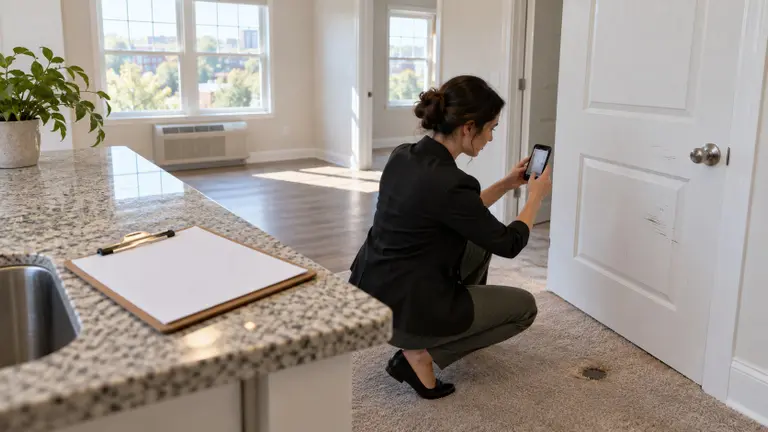
Yes, you can charge tenants for damage they, their guests, or their pets cause beyond normal wear and tear. You can do it by deducting from the security deposit at move-out, or by billing the tenant directly during the tenancy if the lease allows it. The charge has to reflect a reasonable, actual cost, and you have to follow your state's rules on itemizing, deadlines, and returning the balance. Most disputed chargebacks don't fail because the damage wasn't real. They fail on paperwork: no dated move-in photos, a vague "cleaning and repairs - $900" line, or a statement mailed a week after the state deadline. This guide covers how to build a charge that holds up, from the first inspection to the final invoice. Deposit law is set by each state and sometimes by cities and counties, so read this as operational guidance, not legal advice, and check your current statute or ask a local attorney before you set policy.
Published September 2026.
Start with the line between damage and wear and tear
Almost every state bars you from charging tenants for ordinary wear and tear. The law doesn't give you a neat list, so you need a consistent internal standard that you apply to every unit the same way.
Things usually treated as normal wear and tear:
- Light scuffs and minor nail holes from hanging pictures
- Carpet worn flat in walkways after several years
- Paint faded by sunlight
- Loose door handles or sticking drawers from everyday use
- Minor grout discoloration in a shower
Things usually treated as damage:
- Holes punched or kicked through drywall or doors
- Burns, large stains, or pet urine damage in carpet
- Broken windows, blinds, or appliances caused by misuse
- Unapproved paint colors, fixtures, or alterations
- Deep gouges in flooring or countertops
Questions to ask before you charge
- Would this have happened through careful, ordinary use over the length of this tenancy? A five-year tenancy earns more wear than a one-year lease.
- Was the cause the tenant, a guest, or a pet, or was it a building failure such as a roof leak, old supply line, or failed seal?
- Does the move-in record show it was already there?
- Did the tenant report a problem promptly, and did a slow repair on your side make it worse?
If you can't answer those with evidence, don't make the charge. A deduction you can't support tends to become the item the tenant, and later a judge, focuses on.
Build the evidence file before anyone moves out
The move-in condition record
Your move-in record is the baseline for every future charge. Some states require a written move-in checklist or inventory, and even where it's optional, it's the single most useful document you'll have. Good practice:
- Walk every room with a standard checklist, noting condition item by item.
- Take date-stamped photos and short videos, including close-ups of existing marks, carpet, appliances, and fixtures.
- Have the tenant review and sign the checklist, and give them a reasonable window to add anything you missed.
- Store the photos where you can pull them up by unit and date, not on one leasing agent's phone.
Mid-tenancy reports and inspections
Log every maintenance request with the date, the tenant's description, and photos from the technician. If your records show a leak under a sink first reported months before move-out, you'll struggle to blame the tenant for the resulting cabinet damage. When you enter for routine inspections, follow your state's notice-of-entry rules and your lease.
The move-out inspection
Some states, California among them, require you to offer tenants a pre-move-out inspection so they can fix issues themselves before they leave. Even where it isn't required, it cuts down disputes. At the final inspection, photograph each room from the same angles as move-in so the before-and-after comparison is obvious.
Price the charge fairly
You can generally charge the reasonable cost of repair or replacement, not a penalty and not an upgrade.
- Use real costs. Attach a contractor invoice or receipts for materials. If your in-house team does the work, charge a reasonable hourly rate and record the hours.
- Account for age. If a tenant ruins carpet that was already near the end of its useful life, charging the full cost of brand-new carpet is hard to defend. Prorate replacement costs based on the item's age and expected lifespan, and apply the same method every time.
- Don't upgrade on the tenant's dime. Replacing builder-grade vinyl with luxury plank flooring and billing the whole cost is a classic dispute trigger.
- Be careful with fees. Admin fees, markups, or flat cleaning charges may be restricted or banned depending on your state and lease. Check before adding them.
Write an itemized statement that holds up
The itemized statement is where the documentation turns into a charge. Each line should include:
- The specific item and location ("Bedroom 2 door, hole approx. 4 inches")
- Why it's damage rather than wear, with a reference to the move-in record
- The cost, and how you got to it, including any proration
- The supporting document: invoice, receipt, or estimate
- Photo references for before and after
Then show the math: deposit held, minus each deduction, plus any interest your state or city requires, equals the refund or the balance due.
Deadlines and delivery
Every state sets a deadline for returning the deposit or sending the itemized statement, usually counted from move-out or surrender of the unit. The time allowed varies by state. California, for example, allows 21 days. Some states let you use a good-faith estimate if repairs aren't finished, with receipts to follow. Send the statement to the forwarding address, or the last known address if you don't have one, and keep proof of mailing.
The stakes are real. Many states penalize wrongful or late withholding, sometimes with damages of more than the amount held, and a missed deadline can wipe out your right to deduct anything at all.
Charges during the tenancy and beyond the deposit
If a tenant damages a unit mid-lease, you can usually bill them directly under the lease terms. Send a written invoice with the same detail as a move-out statement and a reasonable due date. Check your lease and state law before treating unpaid damage charges as rent or using them as grounds for eviction. Some jurisdictions treat those differently.
If damages go over the deposit, you can send a demand letter and, if needed, file in small claims court. Before you hand a balance to a collection agency, get advice on the federal Fair Debt Collection Practices Act and your state's collection laws, which can apply to how debts are pursued.
One fair housing point comes up often: under HUD guidance, you generally can't charge a pet deposit or pet fee for an assistance animal. You can still charge for actual damage the animal causes, documented the same way as any other damage.
Where Plan@Job fits on the repair side
A chargeback is only as strong as the repair record behind it, and that's the part Plan@Job is built for. Plan@Job is AI-powered project and operations management for construction and property businesses. The repair work is handled by an operator, meaning the contractor business that manages clients, project delivery, subcontractors, and in-house operatives. As the property manager, you're the client.
Illustrative example (fictional): A property manager overseeing a small portfolio finds a damaged bedroom door and a burned patch of carpet at move-out. They raise one job with photos and access details. Sophie Bennett, the AI Enquiries Coordinator, checks the brief for missing information, such as unit access times or clearer photos, and asks for clarification. The operator quotes, and Daniel Reed, the AI Operations Manager, follows up on quotes and proposed dates. The property manager approves the quote. Inside the operator's account, the job can be split into internal stages with their own scope, dates, and costs, but the manager sees the overall agreed scope and price plus the shared photo evidence. You can learn more about how that works in Plan@Job project management and in how Plan@Job's AI staff handle follow-ups.
The result is a contractor invoice tied to an agreed scope and before-and-after photos. That's exactly what you want attached to an itemized statement, and it makes a tenant chargeback much easier to defend.
What stays with a person: deciding whether something is damage or wear, setting the amount you charge the tenant, applying proration, and sending the statement on time. Plan@Job doesn't invoice tenants, collect deposits, or give legal advice, and the AI staff don't award work or set prices on their own.
Plan@Job is currently live in the UK. US property managers can register interest through the US property managers page.
FAQ
Can I charge a tenant for damage after I've returned the full deposit?
Often you can still pursue a claim, for example in small claims court, within your state's statute of limitations. It's harder, though. Returning the full deposit without deductions can suggest you found no damage, so document everything and send any itemized claim promptly.
Can I charge for my own maintenance team's time?
Generally yes, at a reasonable rate for the work, if your lease and state law allow it. Record who did the work, the hours, and the materials, and don't bill in-house labor at more than a contractor would reasonably charge.
How long should I keep move-in and move-out records?
At least through the period in which a tenant could bring a claim or you could bring one against them. That depends on your state's statute of limitations. Many managers keep the full file, including photos, checklists, invoices, and proof of mailing, for several years after move-out. Ask your attorney what fits your state.