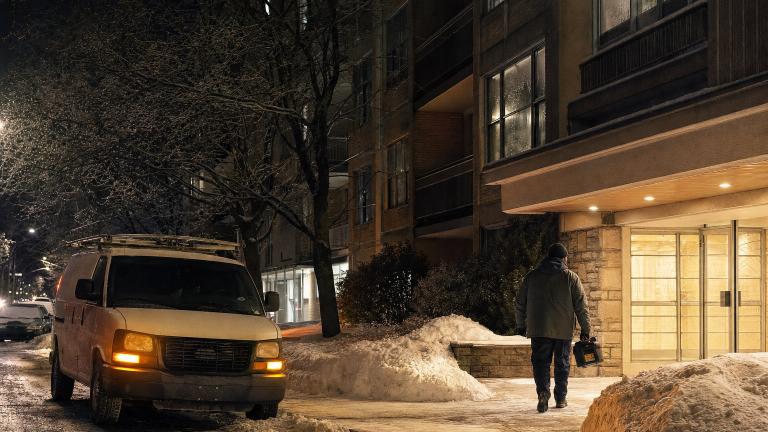
A tenant's basement is flooding at 11 p.m. in January, or a furnace dies in the middle of a cold snap, and the property manager finds out from a text message instead of a phone call. The fix isn't hoping it doesn't happen again - it's a written emergency maintenance plan that defines what counts as an emergency, who gets called first, and what happens if that person doesn't answer. For a rental portfolio of any size, that plan needs four parts: a clear emergency definition, an on-call roster with real backups, a documentation habit, and a tenant communication process that sets expectations before the crisis, not during it.
What actually counts as an emergency
Most of the friction in after-hours maintenance comes from tenants and staff disagreeing on what's urgent. A dripping faucet feels urgent to the tenant reporting it at 10 p.m.; a sewage backup is urgent to everyone. Put a short list in your tenant welcome package and your on-call script so there's no debate in the moment.
Treat these as true emergencies that justify an after-hours callout:
- No heat during cold weather, especially where outdoor temperatures put pipes or occupants at risk
- Active water leak or flooding, including sump pump failure during a spring thaw
- No running water
- Gas smell or suspected gas leak
- Exposed wiring, sparking outlets, or any electrical hazard
- Carbon monoxide or smoke alarm activation
- Sewage backup
- Broken exterior door, window, or lock that leaves a unit insecure
- Fire or significant smoke damage
Everything else - a broken dishwasher, a loose cabinet door, a non-emergency pest sighting - goes into the regular work order queue and gets handled during business hours. Writing this list down and sharing it with tenants cuts down on 2 a.m. calls about squeaky doors, and it gives your on-call staff or subcontractors a consistent standard to apply instead of a judgment call every time.
Most provincial residential tenancies legislation treats the loss of a vital service - heat, water, or electricity - as something landlords must address urgently, though the exact obligations, notice requirements, and remedies differ by province. If you manage units in more than one province, don't assume the rules are identical; check the current legislation or your provincial landlord-tenant board for the jurisdictions you operate in rather than relying on a single national standard.
Building the on-call roster
A plan only works if there's always someone who can pick up the phone and someone who can show up. That means two layers: intake and dispatch.
Intake
Decide who answers the call first - a rotating staff member, an answering service, or a triage line - and give them a short script: confirm the address, confirm the hazard, confirm whether anyone is in immediate danger, and confirm access instructions (key box code, concierge, pets on site). Anything missing gets asked for before the job is dispatched, because a technician driving to the wrong address or arriving without access instructions at midnight is a wasted callout.
Dispatch
For each trade you rely on regularly - plumbing, electrical, heating, locksmith, glass or board-up, and water damage restoration - you want at least two contacts, not one. A single plumber who doesn't answer on a Saturday night leaves you stuck. Build a simple rotation:
- Primary contractor for the trade, confirmed available this week
- Secondary contractor as backup if the primary doesn't respond within an agreed window
- A named person on your own team who owns the escalation if neither responds
If your portfolio spans multiple cities or a mix of urban and rural properties, the roster needs regional depth too - a plumber based downtown may not reasonably reach a rural property in under an hour. Map coverage by location, not just by trade.
Documenting every after-hours call
Every emergency callout should leave a paper trail: what was reported, when, by whom, what was approved, who attended, and what the outcome was. This matters for three reasons - it protects you if a tenant later disputes the response time, it supports insurance claims if the damage escalates, and it lets you spot patterns (a unit with three frozen-pipe calls in two winters needs insulation work, not just repeat emergency visits).
A consistent job brief for each callout should capture the address and unit, the reported issue, access instructions, who was dispatched, arrival and completion times, and photos where relevant. If that brief is missing information - no access instructions, no confirmed contact number - someone needs to chase it before the job goes out, not after a technician is already stuck outside a locked building.
This is where Plan@Job's AI staff fit into the workflow without replacing your judgment. Sophie, the AI Enquiries Coordinator, checks an incoming job brief for gaps like a missing address or unclear access details and asks for clarification before the job is handed to dispatch; if there's no reply after two attempts, she hands it off to a person rather than guessing. Daniel, the AI Operations Manager, can share eligible after-hours jobs with your existing vetted subcontractor network, follow up on quotes and proposed dates on your behalf, and put together a morning brief summarizing what happened overnight - so you're reviewing a summary at 7 a.m. instead of scrolling texts at 2 a.m. Neither one assigns the job or agrees a price without a person confirming it; you can read more about how Plan@Job's AI staff work. Once a job is dispatched, tracking it as a stage in your project plan - status, cost, and who's doing the work - keeps the emergency visible alongside your scheduled work instead of living in a separate spreadsheet.
Here's a hypothetical to illustrate the difference: imagine a property manager overseeing 90 units around Calgary who gets a no-heat call during a January cold snap. Without a plan, that's a scramble through a contact list at midnight. With a documented roster and a network to share the job with, the call gets triaged, the right trade gets notified, and the manager sees the outcome in a morning summary instead of chasing it themselves overnight. This is an illustrative scenario, not a reported result.
This network-sharing and morning brief workflow is live for Plan@Job customers in the UK today. Canadian availability isn't live yet - if you manage rental property in Canada, you can register your interest on Plan@Job's Canadian property managers page to be notified when it opens here.
Setting tenant expectations before the emergency happens
The plan falls apart if tenants don't know how to use it. At move-in, give tenants:
- The emergency line number, separate from your general office line
- A short, specific list of what qualifies as an emergency (the list above is a starting point)
- What to do in the meantime for genuine emergencies - shut off the water valve, leave the building for a gas smell, and so on
- A realistic sense of what happens next, without promising a guaranteed response time you can't consistently deliver
Tenants who don't know the difference between "call now" and "submit a work order" will call for everything, which burns out your on-call rotation and makes real emergencies harder to distinguish from noise.
FAQ
What legally counts as an emergency repair for a rental unit in Canada?
It depends on the province, but most residential tenancies legislation treats loss of a vital service - heat, water, or electricity - and anything posing an immediate health or safety risk as requiring urgent landlord action. Structural damage, gas leaks, and security breaches typically fall into the same category. Because timelines and specific obligations vary by province, check your provincial tenancy legislation or landlord-tenant board directly for the jurisdictions where you operate rather than applying one standard across a multi-province portfolio.
Do I need a formal on-call rotation if I only manage a handful of units?
Yes, even a small portfolio benefits from writing down who to call and in what order, because the alternative is figuring it out under pressure at midnight. At minimum, have a primary and backup contact for the trades most likely to come up - heating, plumbing, and locksmith - and make sure a second person besides you knows how to reach them if you're unreachable.
How do I manage emergencies across units in different provinces or time zones?
Treat coverage as a map, not a single contact list. Confirm you have a responsive trade contact within a reasonable travel radius of each property, and if you're managing across time zones, be explicit about who's actually on call during which hours rather than assuming someone will just pick up. A shared, documented job brief for each callout keeps everyone - including you, checking in the next morning - working from the same information regardless of where the property sits.