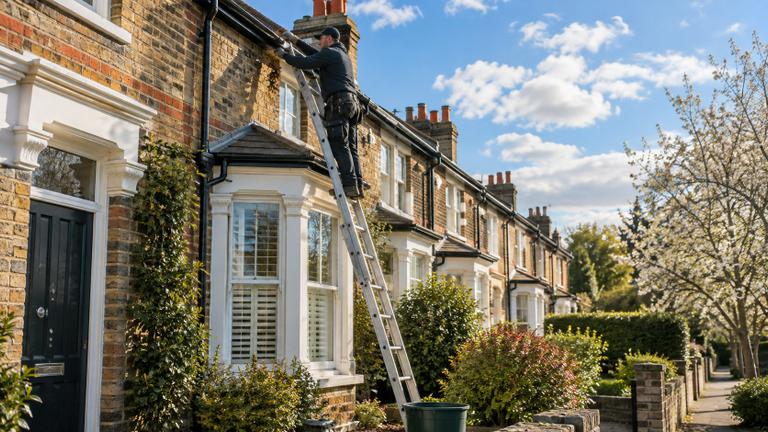
Snow melts, gutters clog with the last of last fall's leaves, and tenants start calling about window units that won't turn on - spring is when deferred maintenance turns into emergency work orders. A property manager who runs a thorough spring maintenance checklist for rental properties before Memorial Day weekend catches small problems while they're still cheap: a cracked downspout, a dying capacitor in the AC unit, a screen door that won't latch. Skip the checklist, and you're paying overtime rates in July for repairs a cheap part could have prevented in April. Here are the 20 tasks worth putting on every rental property's spring calendar, organized so you can knock them out building by building.
Why a Spring Maintenance Checklist Pays for Itself
Spring is the hinge point between winter damage and summer demand. Freeze-thaw cycles crack seals, loosen shingles, and clog drainage over the winter months. At the same time, spring and early summer are peak leasing season in most US markets, so units need to show well for prospective tenants. A documented spring maintenance checklist does three things: it surfaces winter damage before it turns into a bigger repair bill, it gets HVAC systems tested before the first 90-degree day floods your inbox with no-cooling calls, and it gives you a paper trail if an insurer or a tenant ever questions whether the property was maintained. For portfolios with several properties, a written checklist also means the work doesn't depend on any one person's memory - if a maintenance coordinator leaves mid-season, the next person can pick up the list and keep going without missing a unit.
The 20-Task Spring Maintenance Checklist for Rental Properties
Group the walkthrough by system so nothing gets missed, and assign each item to either your in-house team or a contractor before you start.
Exterior and Structural (1-5)
- Clean gutters and downspouts, and confirm runoff drains at least a few feet from the foundation.
- Walk the roofline for shingles lifted or lost over winter, and check flashing around chimneys and vents.
- Inspect siding, brick, and stucco for cracks that let moisture in, especially after freeze-thaw cycles.
- Turn exterior spigots back on gradually and check for leaks from any line that may have frozen.
- Check the grading around the foundation for low spots where snowmelt could pool against the house.
HVAC and Mechanical (6-9)
- Schedule a professional AC tune-up and replace filters before the first heat wave, not after the first no-cool service call.
- Power on window and wall AC units early enough to catch a dead compressor while there's still time to order a replacement.
- Flush sediment from water heaters, which cuts down on failures during the higher-demand summer months.
- Clear dryer vents and bathroom exhaust fans of lint and debris, a fire risk that's easy to overlook.
Safety and Compliance (10-13)
- Test every smoke and carbon monoxide detector and replace batteries, logging the date for your records.
- Check fire extinguisher gauges and expiration dates in common areas and any units where they're required.
- Inspect decks, stairs, and handrails for rot, rust, or loose fasteners after a winter of freeze-thaw stress.
- Test GFCI outlets in kitchens, bathrooms, and exterior locations to confirm they trip correctly.
Interior and Unit-Level (14-17)
- Re-caulk around tubs, showers, and sinks where winter humidity swings may have opened up gaps.
- Check window and door weatherstripping and screens, replacing anything torn before bug season starts.
- Run garbage disposals and check under-sink plumbing for slow leaks that went unnoticed over winter.
- Test that windows open and close smoothly, since a stuck window is both a comfort complaint and, in some units, a code issue.
Grounds and Shared Amenities (18-20)
- Service lawn equipment and irrigation systems, checking sprinkler heads for winter cracking.
- Walk parking lots and walkways for potholes, heaving concrete, or trip hazards that showed up over winter.
- Open and inspect pools, playgrounds, or other shared amenities well before residents expect them available.
Timing Your Spring Walkthroughs
Start exterior tasks as soon as the hard freeze risk has passed in your region, and aim to have HVAC systems tested before the first sustained heat wave. Waiting until residents start complaining means you're doing emergency repairs instead of planned maintenance, and emergency rates run higher than scheduled ones almost everywhere.
Timing by Region
- Sun Belt and Southeast (TX, FL, GA, AZ): begin exterior and HVAC checks in February, since cooling season starts earlier and freeze risk is lower.
- Midwest and Northeast: wait until hard freeze risk has passed, typically late March or April, before opening exterior plumbing and testing irrigation.
- Mountain states and Pacific Northwest: April is typical, with roof and gutter inspections taking priority given heavier winter snow and rain load.
Getting Contractors Scheduled Before the Spring Rush
Every property manager runs into the same problem each spring: everyone needs a roofer, an HVAC technician, and a handyman during the exact same six-week window. Vetted contractor availability tightens fast in March and April, so book AC tune-ups and roof inspections before demand outstrips supply. This is also where comparing quotes from a few vetted contractors instead of calling the first name in your phone saves both money and time. A platform like PlanaJob lets you post the job once and see quotes from contractors who are already vetted, rather than making a dozen calls one at a time. If you're building out a maintenance program for the first time, the resources at https://planajob.com/us/property-managers walk through how to structure recurring seasonal work, and you can get your team set up at https://planajob.com/signup in a few minutes.
Contractors juggling back-to-back spring turnovers while trying to run tighter, more profitable jobs might also find the scheduling and pricing frameworks at https://constructionarbitrage.com worth a read.
Turning the Checklist Into Action
A spring maintenance checklist only helps if it turns into scheduled work instead of sitting in a spreadsheet. Once you've walked the property and flagged what needs attention, the fastest path is to convert your spring checklist into dispatched Planajob jobs in minutes - each task becomes a job post that vetted local contractors can quote on, so you're not chasing down phone numbers for a gutter cleaner in one town and an HVAC tech in another. For portfolios spread across multiple properties, that consistency matters more than any single repair. More seasonal maintenance guides live on https://planajob.com/us/blog if you want to plan ahead for fall turnover season too.
Frequently Asked Questions
How much does spring maintenance typically cost for a rental property?
Costs vary widely based on property age, size, region, and how much work was deferred over winter. A property with a well-maintained HVAC system and no major exterior damage might only need an inspection and a filter change, while one with ice damage or a failing water heater will run higher. Getting quotes from a few vetted contractors before you commit gives you a realistic number for your specific property instead of a generic estimate.
When should property managers start their spring maintenance checklist?
Start exterior tasks as soon as the risk of hard freezes has passed in your region, and have HVAC systems tested before the first sustained heat wave. In warmer climates that can mean starting in February; in northern states, April is more typical. The goal is to finish before peak leasing season and before summer heat turns AC failures into urgent calls instead of routine maintenance.
Should tenants or the property manager handle spring maintenance tasks?
Structural, mechanical, and safety-related items, including the roof, HVAC, water heater, smoke detectors, and GFCI outlets, should be handled by the property manager or a licensed contractor, not left to tenants. Some property managers ask tenants to flag issues they notice, like a screen that won't latch or a slow drain, but the inspection and repair work itself should stay on the property manager's checklist to keep liability and quality consistent across units.