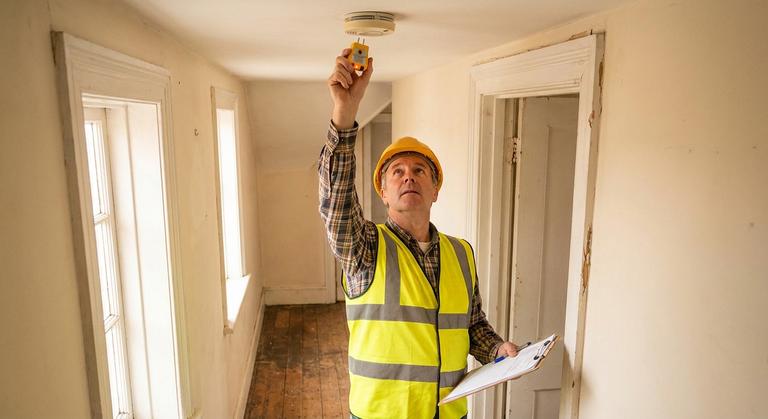
A failed Section 8 inspection stalls your Housing Assistance Payment, frustrates your tenant, and adds a re-inspection you did not budget time for. The good news is that the list of common Section 8 inspection failed items is remarkably predictable. Inspectors flag the same handful of deficiencies over and over - dead smoke detectors, peeling paint, loose handrails, failed GFCI outlets - and almost all of them are cheap and quick to fix once you know where to look. This guide covers the items that fail most often, how to correct each one properly, and how to run a pre-inspection walkthrough that catches problems before the housing authority's inspector does.
Why Section 8 Inspection Failed Items Keep Catching Owners Out
Every unit in the Housing Choice Voucher program has to pass an inspection before payments begin, and keep passing at intervals after that. For decades those inspections ran on HUD's Housing Quality Standards (HQS). HUD has been moving housing authorities to NSPIRE - the National Standards for the Physical Inspection of Real Estate - which puts more weight on the inside of the unit and on whether components actually work, not just whether they are present. The practical effect for property managers is that items that used to slide, like a smoke alarm with a dead battery, are now reliable fails.
When a unit fails, the public housing authority (PHA) issues a deficiency list with a correction deadline. Life-threatening deficiencies generally have to be corrected within 24 hours; everything else gets a longer window set by the PHA. Miss the deadline and the PHA can abate your payments - stop paying while the unit is out of compliance - and eventually cancel the contract. Some housing authorities also charge owners for repeat re-inspections. Learning the most common Section 8 inspection failed items in advance is the cheapest compliance work you will ever do.
The Most Common Failed Items and How to Fix Each One
Ask inspectors what they write up most and you will hear the same list, unit after unit. The Section 8 inspection failed items below account for the bulk of write-ups nationwide.
Smoke and carbon monoxide detectors
The classic fail. Missing detectors, dead or removed batteries, and units past their printed service life all get flagged, and a non-working smoke alarm is usually treated as life-threatening with a 24-hour correction window. Carbon monoxide detectors are now required in federally assisted housing where the unit has a fuel-burning appliance or an attached garage. The durable fix: install sealed 10-year lithium battery units on every level and near sleeping areas, log the install date, and press the test button at every visit. Tenants pull batteries from chirping alarms; sealed units remove the temptation.
Peeling, chipping, or deteriorated paint
In any building built before 1978, deteriorated paint is presumed to be a lead hazard, and it is one of the most heavily enforced items on the list. Do not send a handyman to dry-scrape it. Paint stabilization in pre-1978 housing requires lead-safe work practices, which in most cases means an EPA RRP-certified renovator. In newer buildings, peeling paint can still fail as a surface defect, so touch up interior and exterior surfaces before the inspection either way.
Electrical hazards
Inspectors carry outlet testers, so you should too. Common write-ups include outlets with open grounds or reversed polarity, missing or cracked cover plates, GFCI outlets near water that no longer trip, exposed wiring, and open slots in the electrical panel. The fix is mostly trivial: sweep every receptacle with an inexpensive plug-in tester, replace cover plates, swap dead GFCIs, and bring in an electrician for anything behind the wall.
Handrails and guardrails
Stairways with four or more consecutive steps need a secure handrail, and elevated walking surfaces such as porches, decks, and landings need a guardrail. Present but loose fails just as hard as missing. Grab each rail and try to rock it before the inspector does - refastening into solid framing is usually a one-hour job.
Windows, doors, and locks
Cracked panes, windows that will not stay open on their own because of broken balances, missing locks on ground-floor and otherwise accessible windows, and exterior doors that do not lock properly are all routine fails. Every bedroom needs a usable means of escape, so a painted-shut or jammed egress window is a serious write-up, not a cosmetic one.
Plumbing and water heaters
Watch for water heaters missing a discharge line on the temperature and pressure relief valve, active leaks under sinks, toilets that run constantly or rock at the base, and no hot water - that last one is a fast fail. The discharge line write-up surprises owners constantly: the valve itself is fine, but the pipe is absent or made of the wrong material. A plumber can usually correct it in under an hour.
Trip hazards, appliances, and pests
Torn carpet, curled vinyl, and loose transition strips get flagged as trip hazards. Every stove burner has to work and every knob has to be present, because inspectors test them. Evidence of roaches or rodents fails the unit regardless of who invited them, so schedule pest treatment before the inspection, not after the report.
Run a Pre-Inspection Walkthrough Two Weeks Out
The best property managers treat the official visit as a formality because they already ran their own inspection. Nearly all Section 8 inspection failed items are visible to anyone holding a checklist, and two weeks gives you time to schedule contractors without paying emergency rates. Walk the unit with this list:
- Press the test button on every smoke and CO detector and replace anything past its expiration date.
- Plug an outlet tester into every receptacle and trip-test every GFCI.
- Turn on every stove burner, the oven, and the range hood.
- Run hot water at every fixture and check under every sink with a flashlight.
- Open, close, and lock every window, and confirm each one stays open on its own.
- Grab every handrail and guardrail and try to move it.
- Scan walls, ceilings, sills, and exterior surfaces for peeling or chipping paint.
- Flush every toilet and listen for running water afterward.
- Confirm the water heater's relief valve has a proper discharge line.
- Photograph everything - date-stamped photos are your evidence if a deficiency turns out to be tenant-caused.
That last step matters more than it looks. Housing authorities distinguish owner responsibilities from tenant-caused damage, and documentation often decides who gets billed and whose assistance is on the line.
The Re-Inspection Clock Is Shorter Than You Think
Once the deficiency list lands, you are working against a fixed deadline, and the contractor could not come until Thursday does not pause abatement. This is where Section 8 inspection failed items turn from a forty-dollar part into a lost month of rent - not because the repair was hard, but because nobody could get a tradesperson on site in time. Build your vendor bench before you need it: two or three responsive contractors per trade, briefed on what housing authority inspectors look for.
This is also where platforms like PlanaJob earn their keep. Property managers post the deficiency list as a job and compare quotes from vetted contractors instead of working down a phone list. PlanaJob contractors know exactly what Section 8 inspectors flag, so the work gets done right the first time - before abatement kicks in or your PHA charges a re-inspection fee. You can see how it works for portfolios on the PlanaJob property managers page, or create a free account and post your punch list today.
Fix the Cause, Not Just the Line Item
If the same unit keeps failing on the same categories, the write-ups are telling you something about your maintenance cadence, not your luck. Track failed items by unit and by category, fold the fixes into turnover scope, and ask your contractors what they see across other assisted housing they service - good ones will tell you. If you want useful context on how sharp maintenance contractors price and schedule small punch-list work, the construction business strategy essays at constructionarbitrage.com are worth a read when you are reviewing quotes. And for more compliance guides written for US landlords and property managers, browse the PlanaJob blog.
FAQ
What happens if my unit fails a Section 8 inspection?
The housing authority issues a list of deficiencies with correction deadlines - typically 24 hours for life-threatening items and a longer window for the rest. Fix everything, keep dated photos, and confirm the re-inspection appointment. If deadlines pass uncorrected, the PHA can abate payments and ultimately end the contract, and abated rent is generally not paid back.
Are Section 8 inspections still HQS, or is it NSPIRE now?
It depends on your housing authority, because the transition to NSPIRE is rolling out across programs on different timelines. Ask your PHA which standard it currently inspects under. In practice, the most common Section 8 inspection failed items are the same under both standards - NSPIRE simply scores in-unit, functional defects more strictly.
Who pays for repairs when the tenant caused the damage?
The unit still has to pass, so life-threatening items must be fixed fast regardless of fault. But housing authorities can hold tenants responsible for damage they caused, and that determination leans heavily on evidence. Date-stamped photos from move-in and from each routine visit are what let you make that case instead of eating the cost.