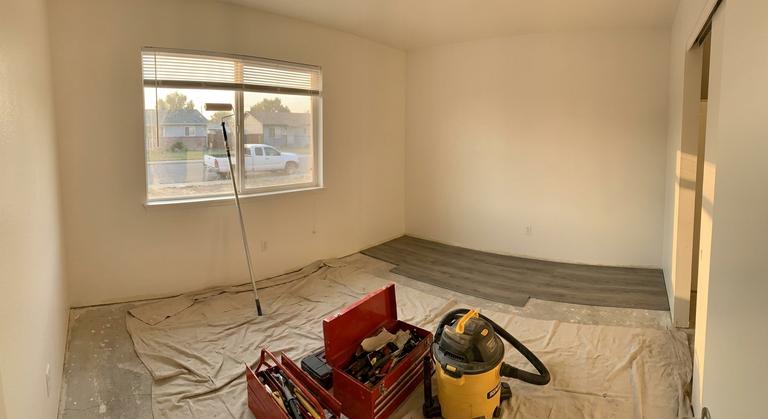
Ask ten property managers what a make-ready costs and you will get ten numbers, every one defensible and none of them portable. Rental turnover cost is not a single price you can look up in a table. It is a stack of eight to twelve line items, plus the vacancy days you burn while the work happens, plus the deposit accounting that decides who actually pays for what. This guide takes that stack apart so you can build a real per-unit number for your own portfolio in 2026, defend it to an owner who thinks paint should be free, and cut the parts that are waste instead of the parts that lease the unit.
The full line-item map of a make-ready
Most turnover budgets blow up because the scope on paper is shorter than the scope in the unit. Write the whole map down once and you stop rediscovering it at every move-out.
Line items on nearly every turn
- Trash-out and haul-away, including whatever is left in closets, the garage, and the patio
- Deep clean: appliances inside and out, cabinet interiors, baseboards, vents, window tracks
- Wall repair before paint - nail holes, anchor blowouts, drywall patches, dinged corner bead
- Paint: touch-up, walls only, or a full repaint including ceilings and trim
- Flooring: carpet steam clean or replacement, hard-surface deep clean, plank swaps
- Punch list: door stops, closet tracks, blind slats, cabinet pulls, outlet covers, window screens
- Plumbing and electrical minors: flappers, aerators, angle stops, GFCI outlets, bulbs matched to one color temperature
- Life safety: smoke and carbon monoxide alarms tested or replaced per local code, batteries dated
- Rekey or lock recode, which is cheap insurance and never worth skipping
- HVAC filter, condensate line, and a quick system check before the new resident's first hot week
- Final clean after every trade has left the unit
Items that show up only sometimes
Tub or countertop reglazing, cabinet refinishing, subfloor repair, appliance replacement, water or mold remediation, pest treatment, blind replacement, exterior and landscaping resets on single-family rentals, and city inspection or rental registration fees in jurisdictions that require a re-inspection between tenancies. Add lead-safe work practices in any building constructed before 1978, where the EPA Renovation, Repair and Painting rule requires a certified firm when painted surfaces are disturbed. That certification requirement narrows your contractor pool and changes your pricing on older stock, so know your build years before you bid the job.
The soft costs owners forget
Listing photos, syndication and marketing spend, showing labor, screening, leasing commission if you pay one, the utilities switched into the owner's name during vacancy, and the staff hours spent building a defensible itemized deposit statement inside your state's deadline. Leave these out and your rental turnover cost is fiction.
Why national averages break, and what to track instead
A single portfolio-wide average is meaningless when one unit is a 600 square foot studio with vinyl plank and the other is a 1,900 square foot house with nine-year-old carpet. Averages also blend three different animals:
- Cosmetic - paint, clean, carpet clean, punch list. Recurs at every turn. This is the number you can actually manage.
- Deferred maintenance - things a resident reported that nobody fixed, now compounded. That is a process failure showing up in the wrong budget line.
- Capital replacement - flooring, appliances, HVAC reaching end of useful life. It lands at a turn because that is when the unit is empty, not because the turn caused it.
Keep those buckets separate. If you do not, a long-tenancy unit where the carpet finally aged out will look like a runaway turn, and your best residents will look like your most expensive ones. Your CPA wants the same split, since routine repairs are generally deducted in the year incurred while improvements are capitalized and depreciated.
Build the worksheet, do not borrow the benchmark
Pull your last ten completed turns and fill in a per-unit sheet: unit type and square footage, tenancy length in months, monthly rent, then a dollar field for each of trash-out, clean, wall repair, paint, flooring, punch list, appliances, rekey, permits or fees, and soft costs. Add total calendar days from move-out to rent-ready, and days from rent-ready to lease signed.
Ten turns gives you a median and a spread, and the spread teaches you more than the median. It shows which line item is volatile in your market and which is stable. A useful management ratio is cosmetic turn cost expressed as a share of one month's rent, tracked separately for each unit type. That ratio travels across markets in a way raw dollars never do.
Vacancy days are the biggest invoice you never receive
Divide monthly rent by 30 and you have the daily carrying cost of the unit. Now compare that to what you are saving by waiting three extra days for a cheaper painter. On most units the math kills the discount.
- Start the clock on notice day, not move-out day. Schedule the pre-move-out walk two to three weeks ahead so you know the scope before you have possession.
- Order long-lead items at notice. Specialty flooring, cabinet doors, and certain appliances are still the parts that quietly add a week.
- Sequence properly: repairs, then paint, then floors, then final clean. Cleaning before the painter finishes means paying for the clean twice.
- Compress trades into one window rather than stringing three separate visits across ten days.
- Photograph the unit the day you take possession, and keep the listing live during the turn with a firm available date.
What is pushing rental turnover cost up in 2026
Skilled-trade capacity is the main pressure. When painters and flooring crews are booked out, the premium you pay is for scheduling, not for skill, and fast-turn work carries that premium. Insurance, licensing, and vehicle costs keep landing in contractor overhead and get passed through. Longer average tenancies mean deeper make-readies when they finally end, because multiple useful-life clocks expire at once. And on appliances, repair-versus-replace keeps tipping toward replace as parts availability worsens on older models.
None of that is gouging. A quote reflects drive time, insurance, warranty, materials markup, and the crew days it consumes. If you want a clearer view of the economics on the other side of your invoice, the strategy writing at constructionarbitrage.com is a genuinely useful read for anyone who buys trade work at volume. It is also worth remembering that your best turn crew has an owner who may sell or retire - trade businesses change hands constantly, as sites like contractorexit.com show - so keep two vetted backups on the bench before you need them.
Seven ways to cut rental turnover cost without cheapening the unit
- Standardize finishes. One wall color and sheen, one trim color, one flooring SKU, one hardware finish per portfolio. Touch-up becomes possible instead of full repaints.
- Walk the unit before move-out. Residents fix small things themselves when you show them the list early, and you scope accurately.
- Buy fixed-price scopes, not time and materials. T&M on a turn is an open tab.
- Bundle trades with one point of accountability so nobody is standing around waiting for the previous crew.
- Document condition at move-in with dated photos and a signed condition form. Deposit deductions survive on evidence, not memory.
- Do mid-lease maintenance visits. Filters, caulk, and a five-minute look under sinks prevent the turn from absorbing two years of neglect.
- Price renewal incentives against your true turn cost. A modest renewal concession is usually cheaper than a full make-ready plus vacancy.
Getting quotes you can actually compare
Write one scope sheet per unit and send the identical document to three contractors. Require line-item pricing, written exclusions, materials specification, start and completion dates, who removes debris, and a W-9 on file before the first check. Bids that arrive as a single lump sum are impossible to compare and impossible to negotiate.
Platforms like PlanaJob let property managers post one scope and compare quotes from vetted contractors instead of chasing callbacks, which matters most when every extra day carries a daily rent number. If you run US rentals, the tools built for your side of the work live at planajob.com/us/property-managers, and you can post a turnover scope in a few minutes after you create an account. More cost guides in this series are at the PlanaJob blog.
The single highest-leverage change most managers make is bundling paint, clean, and repairs into one PlanaJob turnover crew working one continuous window. Same scope, fewer handoffs, fewer vacant days, and one invoice you can benchmark against the last ten turns.
FAQ
How much should I budget per unit each year for turnover?
Budget from your own data rather than an industry figure. Take your median cosmetic turn cost by unit type, multiply by your actual annual turnover rate for that unit type, then add a separate capital reserve for flooring and appliances based on remaining useful life. Two reserves, tracked separately, beats one blended guess.
Can I charge the resident for painting?
It depends on your state and on the condition. Normal wear and tear is not chargeable anywhere in the US, and scuffs from ordinary living generally qualify as wear. Damage beyond that - unapproved colors, large holes, smoke damage - is usually chargeable, and several states require you to prorate against the paint's useful life rather than bill a full repaint. Check your state's security deposit statute for both the allowable deductions and the itemization deadline, and never send a deduction without photos and an invoice.
How long should a full make-ready take?
Measure it, then set an internal standard by unit type. A cosmetic-only turn with a bundled crew should be a matter of days, while anything involving flooring replacement, remediation, or lead-safe work runs longer. Track two separate numbers: days to rent-ready and days from rent-ready to signed lease. If the second number is large, the problem is pricing or marketing, not your contractors.