A radon test comes back at 8.2 pCi/L on a duplex you manage, the owner calls, and you need a number the same afternoon. The awkward part of pricing radon mitigation cost is that the reading itself barely changes the invoice. A house at 22 pCi/L and a house at 4.6 pCi/L usually get the same system. What moves the price is the foundation, where the pipe can practically run, how many suction points the slab needs, and whether an electrician has to pull a new circuit into the attic. Here is where the money actually goes, how to read a quote line by line, and what to tell an owner before the first contractor walks the building.
Why the Radon Reading Barely Moves the Price
The EPA action level is 4.0 pCi/L, and the agency suggests considering action between 2.0 and 4.0. Above 4.0, the standard fix is the same whether you are at 5 or 50: active sub-slab depressurization. A pipe is set into a hole cored through the slab, a fan pulls soil gas out from under the foundation, and that gas is vented above the roofline. Same fan, same pipe, same crew.
Very high readings change two things. They can force a second or third suction point if one point cannot hold the whole slab under negative pressure, and they raise the odds that the first post-mitigation test comes back short of target, which means a return visit. Neither is common enough to price in up front, but both belong in your contingency. Radon mitigation cost scales with construction difficulty, not with the number on the report.
What Actually Drives Radon Mitigation Cost
Foundation type
A poured basement slab sitting on clean gravel is the cheapest scenario. One suction point can often depressurize a large slab because the aggregate lets soil gas move freely. Put that same slab on packed clay or fine sand and airflow drops, so the installer needs more suction points or a stronger fan.
Crawl spaces sit at the expensive end. The fix is sub-membrane depressurization: a heavy poly membrane sealed to the foundation walls, piers and seams, with the suction point set underneath. That is a day or two on hands and knees, and it reliably costs more than a straightforward basement job.
Mixed foundations catch people out. A ranch with a basement, an attached slab addition and a crawl space under the back porch is three different soil-gas zones. Budget for multiple legs or, occasionally, two independent systems.
Pipe routing
Interior routing runs the pipe through a closet or utility chase up to the attic, with the fan mounted in the attic and the discharge through the roof. It looks better and keeps the fan out of the weather, but it consumes closet space, cuts framing and takes longer.
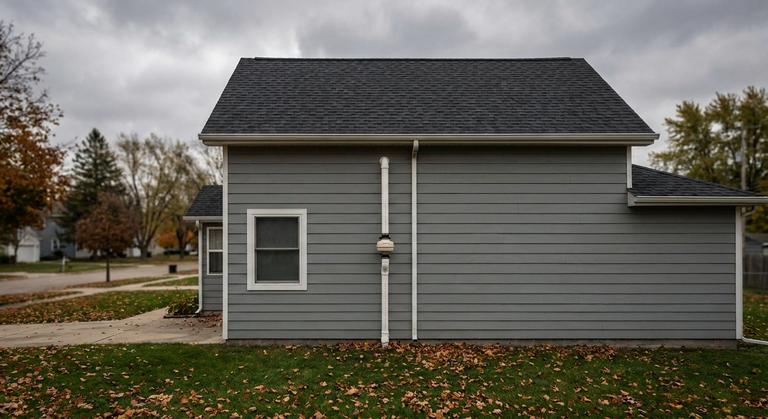
Exterior routing runs up the outside wall with the fan mounted outdoors. It is faster and cheaper, and for most rental properties it is the sensible choice. Check condo bylaws and HOA rules first, because a white PVC stack on a street-facing elevation is exactly the kind of thing that generates a violation letter.
Electrical work
Radon fans run continuously and need a properly wired supply with a disconnect that meets local code. If there is no accessible power near the fan location, add an electrician's half-day. If the jurisdiction requires an electrical permit for the circuit, add that too, and confirm in writing who is pulling it.
Sealing scope
Sealing is not the fix, but it makes the fix work. Sump pits need an airtight lid with a clear inspection panel, floor to wall joints need caulk, and open block walls need capping. Skipped sealing is the most common reason a system underperforms and needs a second visit at your expense.
Typical Radon Mitigation Cost Ranges
Treat these as the working ranges contractors commonly quote in the US, not fixed prices. Regional labor rates, permit fees and travel into rural counties move them significantly, which is why three quotes is the minimum.
- Single suction point, basement, exterior routing: roughly $900 to $1,800
- Interior routing with an attic fan in a finished basement: roughly $1,500 to $3,000
- Multiple suction points or a large segmented slab: roughly $2,500 to $4,500
- Crawl space with a sealed membrane: roughly $2,500 to $5,000 and up
- Radon in well water (aeration or granular activated carbon): a separate system costing several thousand dollars on top of the air system
- Post-mitigation retest: roughly $100 to $250
- Fan replacement years later: roughly $300 to $700 installed
Testing Costs Come First
Do not jump straight to mitigation on the strength of a tenant's mail-in kit. Charcoal kits are cheap, but they get moved, opened early and left next to an open window. For a rental you are about to spend real money on, pay a certified measurement professional to run a continuous radon monitor for at least 48 hours under closed-house conditions. The hourly log shows whether the house was tampered with and how levels swing, which is evidence you may need later. Spending a couple hundred dollars on a defensible measurement is cheap insurance against a four-figure radon mitigation cost you did not need.
Test the lowest lived-in level. A basement that is unfinished storage today may be a bedroom under the next tenant, so many managers test it anyway and note the result in the file.
Multifamily Changes the Math
Per-unit radon mitigation cost usually falls at volume, but the design gets harder. Stack effect in a three-story walk-up moves soil gas differently than in a single-family home, and shared foundations mean one system can affect a neighboring unit. Follow the recognized multifamily measurement and mitigation standards rather than sampling two units and calling it done: ground-contact units and units above unoccupied ground-contact spaces are the priority.
If the property carries FHA-insured multifamily financing, radon testing obligations may already apply through the lender's environmental review. Check the loan file before you commission anything, because the required protocol can be stricter than what a local vendor proposes by default.
State Rules That Affect Landlords
There is no federal law requiring radon testing in rental housing, so obligations sit at state level and vary a lot:
- Illinois requires landlords to disclose known radon hazards and existing test records to prospective tenants.
- Maine requires landlords to test rental units and give tenants the results on a recurring schedule set by statute.
- Florida requires a radon notification in rental agreements.
- Several states, including Illinois, New Jersey, Pennsylvania, Maine, Florida, Kentucky and Ohio, license radon measurement and mitigation professionals. Hiring an unlicensed installer there can leave you with unpermitted work and no enforceable warranty.
Confirm current requirements with your state radon program before you write a lease addendum. Rules change, and a stale template is a liability.
What a Complete Quote Should Include
- System design: number and location of suction points, pipe diameter, and routing
- Fan model, static pressure rating, and warranty term
- A labeled manometer so anyone can read system status at a glance
- Sealing scope in writing: sump lid, floor to wall joints, visible cracks
- Electrical work, disconnect, and who pulls any required permit
- A post-mitigation test included in the price, run at least 24 hours after startup
- A written performance guarantee to bring the property below 4.0 pCi/L, and what happens if the first attempt misses
- Certification number (NRPP or NRSB) plus state license where applicable
- Roof or wall penetration detail and how the flashing warranty is handled
Anything missing from that list is a change order waiting to happen. The other cost guides on our blog apply the same test: if it is not itemized, it is not included.
Ongoing Costs After Installation
The fan runs 24 hours a day, drawing about as much power as a bright light bulb left on permanently, so budget a small but constant line on the utility bill. Fans carry multi-year warranties and eventually fail, usually quietly, which is why the manometer belongs on your annual inspection checklist alongside smoke alarms and water heater straps. Retest every couple of years and after any major renovation, HVAC replacement or foundation work, because all three change how the building breathes.
Getting Competitive Quotes Without Losing a Week
Radon work is a small specialty trade, and in many counties only a handful of certified firms operate. Availability, not price, is often the real constraint. Post the job with the test report, foundation type, square footage and photos of the sump and utility area attached, and you will get comparable bids instead of three vague estimates. Comparing three of them is also the fastest way to sanity-check a radon mitigation cost that looks high.
Platforms like PlanaJob let property managers put a job out once and compare quotes from vetted contractors side by side rather than chasing callbacks. If you manage doors in EPA Zone 1 counties, set your portfolio up on PlanaJob for property managers and you can find certified radon mitigation contractors in radon-zone states the same way you source roofers and HVAC techs. Owners get the paper trail, you get your afternoon back, and signing up takes a couple of minutes.
One thing worth knowing on the supply side: radon firms are often single-owner operations, and specialty trades like this consolidate quietly, with businesses changing hands through marketplaces such as ContractorExit. If your long-standing installer stops answering the phone mid-warranty, that is frequently why, and it is a good argument for keeping a second certified firm on your approved list.
FAQ
Does a radon mitigation system hurt resale value?
Generally the opposite. A documented system with clean post-mitigation results reassures buyers, and in states with disclosure rules it is the known-but-unfixed reading that kills deals. Keep the installation invoice, the post-mitigation test and every retest in the property file so the next transaction is a five-minute conversation.
Can I pass radon mitigation cost on to tenants?
The installation is a capital improvement to the building, so in practice, and often by law, it sits with the owner. Electricity for the fan is normally part of the unit's ordinary usage. What you can do is include a lease clause making clear the tenant must not unplug or obstruct the fan, and photograph the manometer at move-in and move-out.
How long does installation take, and do tenants need to move out?
Most single-family systems are a one-day job, sometimes two if a crawl space membrane or additional electrical work is involved. Tenants can normally stay, though there is concrete coring noise for part of the day and the crew needs access to the lowest level, the utility area and possibly the attic. Give notice as your state requires, and expect the follow-up test to hold the property under closed-house conditions for another two days.