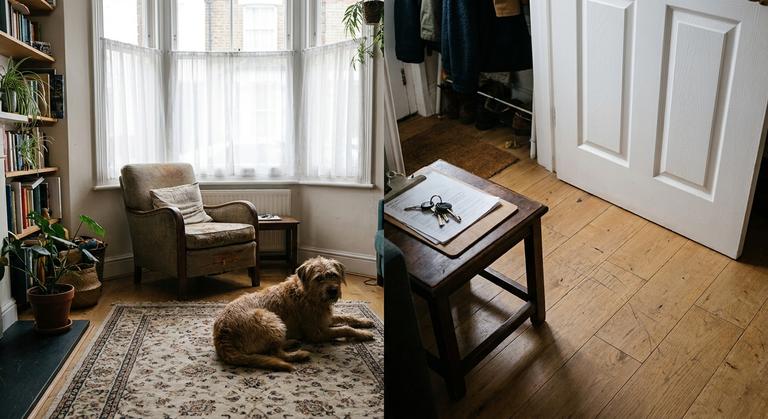
The Renters' Rights Act has turned pets in rental properties from a policy decision into an operational one. For years most agents ran a blanket no-pets clause and never thought about it again. That option has gone. Tenants on assured tenancies now have a statutory right to request permission to keep an animal, landlords cannot unreasonably refuse, and every request arrives with a written response deadline attached. The job for property managers is no longer deciding whether to allow animals in principle. It is running a process that produces decisions you can defend, and protecting the fabric of the property when the answer is yes.
What the Renters' Rights Act actually changed
A right to request, with a clock attached
The Act gives tenants the right to ask, in writing, to keep a pet at the property. The landlord must give or refuse consent in writing within 28 days of receiving that request. That window can be extended in narrow circumstances, most commonly where you have reasonably asked the tenant for more detail about the animal, or where you need consent from a superior landlord such as a freeholder or head lessee.
The word doing the heavy lifting is "unreasonably". You can still refuse. What you cannot do is refuse by default, refuse without giving a reason, or let a request sit unopened in a shared inbox until the tenant gives up. Silence is the most expensive way to handle a pet request, because it destroys your best evidence: a timely, specific, written explanation.
The pet insurance clause that did not survive
Earlier drafts of the legislation would have allowed landlords to require tenants to hold insurance covering pet damage, or to pay towards the landlord's own cover. That provision was removed before the Act reached the statute book. So the position on pets in rental properties is now:
- You cannot require a tenant to buy pet damage insurance as a condition of consent.
- You cannot recharge the cost of your own policy to them.
- The deposit cap under the Tenant Fees Act 2019 is unchanged, so there is no separate "pet deposit" sitting on top of it.
- Professional cleaning cannot be imposed as a contractual requirement, pet or no pet.
The financial cushion many landlords expected did not arrive. What you are left with is the deposit you already hold and the quality of your evidence, which makes inventories, inspections and repair records far more important than they used to be.
Assistance dogs are not pets
Worth separating out, because agents still get this wrong. An assistance dog for a disabled tenant is not a pet request under the Act. It is a reasonable adjustment under the Equality Act 2010. Refusing one, or applying pet conditions to one, risks a discrimination claim entirely separate from the Renters' Rights Act. Train your team to spot the distinction at the moment the request arrives, not after a complaint lands.
Reasonable and unreasonable refusals
There is no statutory list of good reasons, and case law will take time to build. What is already clear is that a refusal must be tied to something specific about the property, the animal, or a restriction you genuinely cannot override. Grounds that tend to hold up:
- A superior lease that prohibits animals. Common in blocks of flats. Keep the relevant clause on file so you can quote it rather than paraphrase it.
- The freeholder or managing agent has refused. Ask them early; their timescale is not an excuse for missing yours.
- The animal is genuinely unsuited to the property. A large, high-energy dog in a small first-floor flat with no outside space is arguable. "The landlord would rather not" is not.
- Number and type. Consent to one cat is not consent to four, or to a reptile needing heated vivaria wired into a circuit never designed for the load.
- A documented history of damage or nuisance at that property.
Grounds that will not survive challenge: blanket policies, vague worries about carpets, hearsay about a breed, and any refusal issued after the deadline has passed.
The maintenance reality of pets in rental properties
This is where property managers earn their fee. Saying yes is free. Saying yes without changing how you inspect, specify and record is what costs money eighteen months later.
Fix the inventory first
Deposit adjudicators decide on evidence, and the evidence has to exist before the animal moves in. When a pet is approved mid-tenancy, update the inventory that week with dated photographs of floor coverings at thresholds and doorways, the bottom 300mm of internal doors and skirtings, stair carpet nosings, window sills, garden lawn and fence panels, and any exposed timber the animal can reach. A short addendum taken on the day consent is granted is worth more than the original check-in report ever will be.
Specify for the wear you now expect
When a property with an approved pet comes up for redecoration or a flooring replacement, change the specification rather than repeating the last one. Hard-wearing vinyl or LVT in hallways and kitchens, scrubbable paint in circulation areas, and sealed rather than bare timber all pay for themselves across two tenancies. Fitters and decorators will tell you exactly which products survive a let with animals if you ask, and that kind of practical detail gets traded constantly in contractor communities like Contractor Club. The underlying decision, specifying for whole-life cost instead of lowest install price, is the same portfolio thinking covered on Construction Arbitrage.
Treat alterations as alterations
Cat flaps, stair gates screwed into newel posts, garden dog runs and doors trimmed for airflow are alterations, not pet care. Handle them exactly as you would any other tenant alteration: written approval, a named installer, a photograph of the finished work, and a clear record of whether the tenant must make good at the end. A cat flap cut into a composite door by a well-meaning tenant is a door replacement, not a patch repair.
Inspect on a schedule and photograph everything
Move properties with approved animals onto a six-monthly inspection cycle and shoot the same photo set from the same angles each visit. That builds a timeline, and it lets you raise small jobs early, when a chewed skirting is a single carpentry visit rather than a contested room at check-out.
Deposits, deductions and getting the repairs done
You are working within the same capped deposit, so deductions have to be clean: condition at the start, condition at the end, a real invoice, and a fair allowance for the age and remaining life of the item. Scratched varnish on a floor that was already ageing at check-in is not a new floor. Adjudicators reward proportionality and punish round numbers pulled out of the air.
That puts pressure on how you procure the work. Whether it is a flea treatment, a re-carpet or a fence panel a dog has gone through, you want a written scope and more than one price. Platforms like PlanaJob let property managers put a job out and compare quotes from vetted contractors in one place, which is far easier to justify to a landlord, and to a deposit scheme, than a single figure from whoever answered the phone.
A pet request workflow that holds up
Build this once and let the team run it every time:
- Log the request the day it lands, with the date received recorded. That date starts your 28 days.
- Acknowledge in writing and ask for what you actually need: species, breed, age, number of animals, whether neutered and microchipped, and any reference from a previous landlord.
- Check the head lease and any freeholder consent requirement immediately, not in week three.
- Decide in writing, giving the specific reason if you are refusing.
- If consenting, trigger the property actions: inventory addendum, revised inspection cycle, a note on the tenancy file, and any works agreed as part of the consent.
- Diarise the next inspection before you close the request.
Almost every dispute over pets in rental properties traces back to step one or step four, not to the animal itself.
Make your repairs desk the compliance record
Once a meaningful share of your portfolio has animals in it, the maintenance trail becomes the compliance trail. PlanaJob works as your repairs desk CRM: every job, quote, photograph, invoice and contractor message sits against the property, so when a check-out dispute or a landlord query arrives a year later you are pulling a record rather than reconstructing one from memory and email. You can create an account in minutes, see how the platform supports UK property managers, or browse more compliance guides on the PlanaJob blog.
Common questions
Can I refuse a pet if the head lease bans animals?
Yes, and it is one of the strongest grounds available, because the restriction is not yours to waive. Quote the clause in your written refusal and attach it. Where the lease requires the freeholder's permission rather than banning animals outright, you are expected to actually ask, and to ask promptly enough that their answer arrives inside your response window.
Can I charge extra rent or a larger deposit for a pet?
No, not as a pet-specific charge. The deposit cap is unchanged and a pet deposit on top of it would be a prohibited payment. "Pet rent" is not workable either: under the current regime rent can only be increased through the statutory notice route, once a year, to market rent, and the tenant can challenge it at tribunal. A rise dressed up as a pet surcharge is asking to be picked apart.
What happens if I miss the 28-day response deadline?
Treat it as a serious problem rather than a technicality. A refusal issued after the deadline is very hard to argue was reasonable, and a tenant can pursue it through the Act's enforcement and redress routes. If you have gone past the date, respond immediately with a genuine, property-specific reason, record why the delay happened, and take advice before you rely on the refusal. Better still, put a hard diary alert on every pet request the day it is logged.