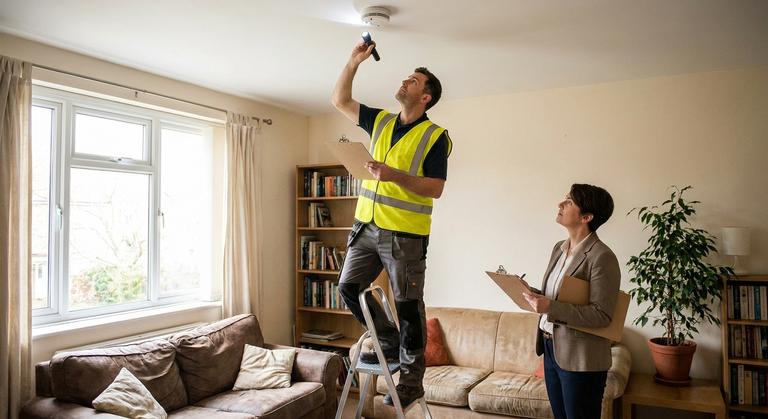
If you manage Section 8 units, working through an NSPIRE inspection checklist before the inspector shows up is the cheapest insurance you can buy for your Housing Assistance Payments. HUD's NSPIRE standards - the National Standards for the Physical Inspection of Real Estate - replaced the old Housing Quality Standards (HQS) and UPCS protocols, and they changed both what inspectors look for and how fast you must fix what they find. This guide breaks the checklist down area by area, flags the deficiencies that fail units most often, and shows you how to run a pre-inspection walk that catches problems while they are still small.
Why NSPIRE Replaced HQS, and Why It Matters
For decades, HUD ran different inspection protocols for different programs: HQS for vouchers, UPCS for public housing and multifamily. NSPIRE consolidated them into a single standard, so a smoke alarm deficiency is defined the same way whether the unit is public housing, project-based, or leased through the Housing Choice Voucher program.
NSPIRE is also resident-centered: it weights the inside of the unit, where people actually live, more heavily than curb appeal. Items that inspectors sometimes let slide under HQS - a dead GFCI outlet, a missing carbon monoxide alarm, a blocked bedroom window - are now clearly defined deficiencies with defined consequences.
The big structural changes to know:
- Three inspectable areas instead of five: Unit, Inside (common interior spaces), and Outside (building exterior and site).
- Deficiencies are classified by severity, with life-threatening items at the top.
- Life-threatening deficiencies must be corrected within 24 hours - not at your convenience.
- Smoke alarm requirements now align with the national fire alarm code, and carbon monoxide alarms are required where the home has fuel-burning appliances or an attached garage.
- The standards are written down and public, so you can self-inspect against the exact criteria the inspector will use.
Your NSPIRE Inspection Checklist, Area by Area
Treat this NSPIRE inspection checklist as a working walk sheet, not a reading exercise. Print it, walk the property with it, and mark every item pass, fail, or needs a closer look.
The Unit
This is where NSPIRE inspections are won or lost. Inside each home, check:
- Smoke alarms: present in the required locations, correctly mounted, and functional. Test every single one - do not assume.
- Carbon monoxide alarms: installed and working wherever the unit has gas appliances, a fuel-burning furnace or water heater, or an attached garage.
- GFCI protection: outlets near water sources (kitchen counters, bathrooms) trip and reset properly.
- Electrical basics: no missing outlet or switch covers, no exposed wiring, no open slots in the breaker panel.
- Egress: every bedroom window opens, stays open, and is not blocked by furniture, paint, or security bars without a release.
- Entry doors: lock, latch, and seal properly; no broken hardware.
- Heating: the permanent heating system works. Space heaters do not count as a heat source.
- Plumbing: hot and cold running water at every fixture, working toilet, no active leaks under sinks.
- Water heater: temperature and pressure relief valve has a proper discharge pipe.
- Kitchen: the cooking appliance turns on and all burners work; the sink drains.
- Bathroom: flushing toilet, working ventilation (window or fan), no soft or water-damaged flooring.
- Walls, floors, ceilings: no mold-like growth, no large holes, no trip hazards in flooring.
- Guardrails and handrails: present and secure on interior stairs and elevated surfaces.
- Infestation: no visible evidence of roaches, rodents, or bedbugs.
Inside (Common Areas)
For multifamily buildings, walk the shared interior spaces:
- Hallway and stairwell lighting works and fixtures are intact.
- Fire doors close and latch on their own; nothing props them open.
- Fire extinguishers, where present, are charged and inspected.
- Stair treads, handrails, and guardrails are solid.
- Shared laundry rooms and community spaces have no electrical or trip hazards.
Outside
The exterior still counts, especially anything that touches safety:
- Steps, walkways, and parking areas free of major trip hazards.
- Exterior handrails and guardrails secure.
- Roof, gutters, and downspouts intact, with no water pooling against the foundation.
- Address clearly visible from the street for emergency responders.
- Exterior doors and locks functional; no broken windows.
- Site free of debris piles that invite pests.
The Deficiencies That Fail Section 8 Units Most Often
Ask any inspector or seasoned property manager and the same culprits come up again and again. If you only have an hour before an inspection, spend it here:
- Dead or missing smoke and CO alarms. The most common fail and the easiest to prevent. Batteries disappear, residents unplug beepers, hard-wired units age out.
- GFCI outlets that will not trip or reset. A two-minute test with the buttons on the outlet face tells you everything.
- Blocked or painted-shut egress windows. Residents push dressers in front of windows; painters seal them shut. Walk every bedroom.
- Missing water heater relief valve discharge pipe. Cheap part, fast fix, frequent fail.
- Infestation evidence. Droppings or live pests in the kitchen will sink an inspection even when everything else is perfect.
- Loose handrails and missing guardrails. Grab and shake every rail on the walk.
- Inoperable range burners and broken door hardware. Small items, defined deficiencies.
None of these are expensive to fix in isolation. They become expensive when the inspector finds them instead of you, because now you are on a clock, coordinating access, and explaining an abatement risk to the owner.
Repair Timelines: The 24-Hour Rule and Everything Else
Under NSPIRE, life-threatening deficiencies - things like a gas leak, exposed live wiring, no working smoke alarm, or a blocked fire exit - must be corrected within 24 hours of being identified. That is a hard deadline, and missing it can mean abated payments or a failed unit.
Non-life-threatening deficiencies get a longer correction window, typically around 30 days, though the notice from your public housing agency controls and some PHAs grant extensions for weather-dependent work. Read the deficiency notice carefully: it lists each item, its classification, and its deadline.
The practical takeaway: your contractor bench matters as much as your checklist. A 24-hour deadline is only survivable if you can get an electrician or plumber on site the same day. Lining up trades before you need them is the whole game - which is exactly why platforms like PlanaJob, where property managers can post a job and compare quotes from vetted contractors, have become part of the standard compliance toolkit.
How to Run a Pre-Inspection Walk That Actually Works
A walk two to three weeks before the scheduled date gives you enough runway to fix almost anything. Here is a process that holds up across portfolios:
- Schedule the walk 14-21 days out. Close enough that conditions will not change much, far enough to complete repairs and re-verify.
- Bring the NSPIRE inspection checklist and work it room by room. Do not rely on memory or a general sense that the unit is fine.
- Test, do not look. Press every GFCI button, push every smoke alarm test button, open every bedroom window, run hot water at every tap, turn on every burner.
- Photograph every deficiency. Photos make scoping painless and let contractors quote accurately without a second site visit.
- Triage into two buckets: anything life-threatening under NSPIRE gets fixed immediately; everything else gets scheduled within the week.
- Re-walk after repairs. Verify each fix yourself, with the same test the inspector will use.
The bottleneck is almost always repairs - getting a reliable tradesperson to show up for a batch of small jobs across scattered units. Batching helps: one electrician visit that handles GFCIs, outlet covers, and alarm swaps across three units is far easier to book than three separate call-outs. For contractors, this kind of recurring compliance work is some of the steadiest revenue in residential trades, a point the business strategy writers at constructionarbitrage.com make often: repeat maintenance clients beat one-off jobs on nearly every metric.
Pass the First Time
Failed inspections cost you twice - once in rushed repair premiums, and again in re-inspection admin, abatement risk, and owner confidence. The fix is unglamorous: walk the unit with the checklist, test everything, and book the repairs early with contractors you trust.
That last step is where PlanaJob fits. Post your pre-inspection punch list, compare quotes from vetted local contractors, and book the work with enough lead time to re-verify before the inspector arrives. You can create a free account in a couple of minutes, and the property managers hub explains how multi-unit operators run their whole maintenance pipeline through the platform. For more compliance guides like this one, browse the PlanaJob blog.
Book your pre-inspection repairs through PlanaJob and pass NSPIRE the first time.
FAQ
What is the difference between NSPIRE and the old HQS inspection?
HQS was the voucher-program inspection standard for decades; NSPIRE replaced it (and UPCS) with a single, unified HUD standard. NSPIRE puts more weight on conditions inside the unit, defines deficiencies in published, objective terms, and imposes a strict 24-hour correction deadline for life-threatening items.
How long do I have to fix a failed NSPIRE deficiency?
Life-threatening deficiencies must be corrected within 24 hours. Other deficiencies get a longer window, commonly around 30 days, but the deficiency notice from your PHA or HUD sets the binding deadline for each item - always read it rather than assuming.
Does NSPIRE apply to Housing Choice Voucher units?
Yes. NSPIRE now covers HUD's major rental assistance programs, including Housing Choice Voucher and project-based units, which is exactly why a single NSPIRE inspection checklist works across a mixed portfolio. Check with your local PHA on scheduling specifics, since implementation details vary by agency.