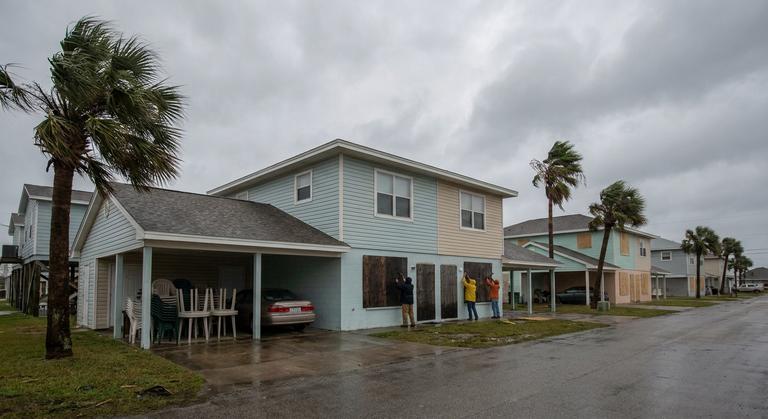
Hurricane preparation for rental property portfolios is not a weekend job you start when the forecast cone finally covers your county. By then the plywood is gone, every roofer in the county is booked, and residents are asking about shutters that were never installed. The managers who come through landfall with intact buildings and calm tenants did the unglamorous work months earlier: they inspected, they contracted, they photographed, and they wrote down who calls whom at 6 a.m. the day after. What follows is the checklist in the order you actually work it - off-season prep, the seven days before landfall, and the first 72 hours after.
Hurricane Preparation for Rental Property Starts in the Off-Season
Atlantic hurricane season runs June 1 through November 30, and the items that actually save a building cannot be bought in a 48-hour window.
Fix the failure points, not the cosmetics
- Garage doors. On single-family rentals and townhomes, an unbraced garage door is the most common structural failure. When it blows in, the house pressurizes and the roof gets pushed off from the inside. A rated door or a bracing kit is cheap next to a roof.
- Roof-to-wall connections. If you own in a wind-borne debris region, have a licensed inspector look at your straps and clips. In several coastal states that same wind mitigation inspection can earn insurance credits, so the visit often pays for itself.
- Soffits and vents. Most water intrusion in a moderate storm comes in through soffits and ridge vents, not through a torn-off roof. Re-secure them.
- Openings. Decide once per property: impact glass, accordion shutters, or removable panels. Panels are the cheapest and the worst, because somebody has to physically install them, and that somebody is usually you.
- Trees. Trim back from the roofline and take out dead limbs before June. Arborists stop accepting non-emergency work the moment a storm gets named.
Refresh the paperwork every spring
Read the actual policy, not the declarations summary. Confirm the hurricane or named-storm deductible, which is usually a percentage of insured value applied per building rather than a flat amount. Confirm whether the roof is scheduled at replacement cost or actual cash value. Check that ordinance and law coverage is enough to rebuild to current code, and that loss of rents or fair rental value is included, and for how long. Flood is not covered by a standard property policy - you need NFIP or private flood cover, and those policies generally carry a waiting period, so buying one as a storm approaches does nothing for you.
Refresh the operational file too: tenant roster with cell numbers, unit-level notes on pets, medical equipment and mobility needs, a dated video walkthrough of every unit inside and out, and a current certificate of insurance and W-9 from every vendor you would realistically call.
The Pre-Storm Checklist: Seven Days to Landfall
- Day 5 to 7: Send the first tenant notice. Test the generator under load, check fuel, verify sump pump backups, and confirm the precut panels and their hardware are where the labels say they are.
- Day 3 to 4: Order whatever is missing and book board-up crews now, while it is still a watch and not a warning. Fill vehicles and fuel cans. Draw cash, because card networks go down with the power.
- Day 2: Install panels and close shutters. Clear gutters, downspouts and area drains. Walk every property and remove projectiles: grills, patio furniture, trash cans, planters, loose fence panels, for-rent signs.
- Day 1: Shut water off at vacant units. Turn refrigerators to their coldest setting. Park elevators on an upper floor and cut power to them so a flooded pit does not take out the machinery. At pools, lower the water about a foot, shock it, and kill the breaker to the equipment - never drain a pool before a storm, because an empty shell can float out of the ground.
- Final hours: Send the last tenant message with your post-storm contact channel, then leave the evacuation zone yourself. Nothing you are protecting is worth staying for.
Photograph everything before you go. Wide, medium and close-up shots of each elevation, the roof from ground level, mechanical equipment, and any pre-existing damage. Phone photos carry timestamp and location metadata, and that metadata is what stops an adjuster arguing your damage predates the storm.
Tenant Communication That Prevents Panic
Three messages, plain language, sent by both text and email:
- Five days out: what you are doing, what tenants are responsible for (balcony and patio items, renters insurance, medications, pets), and where county evacuation orders will be posted.
- Twenty-four hours out: the final reminder plus the number and email to use afterward, with a realistic expectation set - power and cell service may be out for a while, send photos when you can.
- After the all-clear: what you know, what you do not know yet, and when the next update lands. A daily update that reports no change still beats silence.
Never tell a tenant a unit is safe to reoccupy before you have walked it yourself. And do not improvise on rent. Whether rent abates when a unit becomes uninhabitable depends on your state and on the casualty clause in your lease, so settle that question during hurricane preparation for rental property season, not by text message at midnight.
The Post-Storm Checklist: The First 72 Hours
Safety first, assessment second
Do not enter until utilities are cleared. Treat every downed line as energized, and any standing water near one as energized too. Smell for gas before opening a door. Look for sagging ceilings, buckled flooring and shifted foundations. Wear boots and gloves, because post-hurricane floodwater carries sewage.
Document before you touch anything
Photograph and video every affected area before moving debris or pulling wet carpet. Then report the claim even if you suspect the damage sits under the deductible, because a percentage deductible looks manageable until you multiply it across eight units.
Mitigate immediately, because your policy requires it
Every property policy obliges you to prevent further damage. In practice that means tarps, board-ups, water extraction and dehumidification inside the first day or two, since mold grows quickly in humid heat and mold damage is often excluded or capped. Keep mitigation invoices separate from repair invoices, keep every receipt including fuel and lodging, and log crew hours.
Hiring Contractors After the Storm Without Getting Burned
Storms pull in out-of-state crews. Some are excellent. Some leave with your deposit.
- Verify the license in your state, not the one printed on the truck, and have the certificate of insurance for general liability and workers comp sent straight from the agent with you named as certificate holder.
- Require the contractor to pull the permit. Anyone asking you to pull it as owner is moving liability onto you.
- Do not sign an assignment of benefits without reading it closely. You may be handing your entire claim to a stranger.
- Refuse full payment up front. Progress payments tied to completed milestones only.
- Most states enforce price gouging rules after a declared emergency. Get everything quoted in writing and compare.
Trade businesses change hands more often than owners assume - marketplaces like contractorexit.com exist because they do - so check that the license and insurance still sit with the entity named on your invoice. If you want to understand why capacity and pricing swing so hard after landfall, constructionarbitrage.com covers that surge from the contractor side of the table.
Comparing several bids matters most when every contractor is quoting from a position of leverage. Platforms like PlanaJob let property managers compare quotes from vetted contractors side by side instead of hiring the first crew that knocks on the door.
Build the Bench Before the Season, Not After
The single highest-return piece of hurricane preparation for rental property owners is a named, verified vendor list built in the quiet months: roofer, board-up crew, water mitigation, tree service, electrician, generator tech. Call each one in May, confirm they still cover your zip codes, and ask directly how they prioritize existing clients during a storm response.
PlanaJob's contractor network mobilizes for board-ups before the storm and for repairs after it, so a single job post reaches crews who are already vetted and already local. Create an account before hurricane season rather than during it, see how the platform works for US property managers, and browse more maintenance playbooks on the PlanaJob blog.
FAQ
When should I start hurricane preparation for a rental property?
Structural work in the spring, before June 1. Shutters, garage door bracing, tree trimming, roof repairs and insurance reviews all need lead time and become impossible once a storm is named. The seven-day countdown items are execution, not preparation.
Does my property insurance cover hurricane flooding?
Generally no. Standard property policies cover wind-driven damage but exclude rising water and storm surge, which require a separate NFIP or private flood policy. Those policies typically have a waiting period before coverage begins, so they must be bought well ahead of any named storm.
Do I have to refund rent if a hurricane makes a unit uninhabitable?
It depends on your state's landlord-tenant law and on the casualty or destruction clause in your lease. Some states allow abatement or termination when a unit cannot be occupied; others leave it to the lease. Confirm the answer with a local attorney before storm season, and check whether your loss of rents coverage picks up the gap.