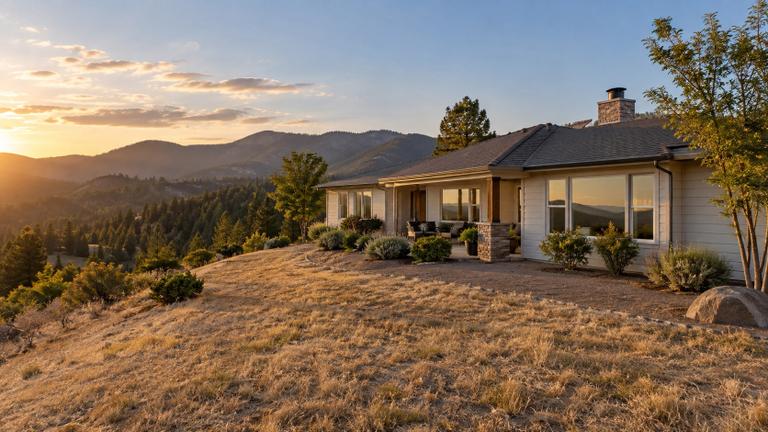
When a wildfire pushes through a hillside neighborhood in California or Colorado, the homes still standing afterward are rarely the ones with the newest roof - they're the ones where dry brush, stacked firewood, and overhanging branches were cleared out well before the fire ever started. That's the whole logic behind defensible space requirements: a maintained buffer zone around a structure that slows a fire's approach and gives firefighters room to defend the building. For property managers overseeing rental homes across California, Colorado, and the broader fire-prone West, these requirements aren't a landscaping suggestion. In many jurisdictions they're a legal obligation, in nearly all of them they're an insurance underwriting factor, and increasingly they're the difference between a renewed policy and a non-renewal letter arriving right before fire season.
What Defensible Space Requirements Actually Cover
Defensible space isn't about turning a rental property into bare dirt. It's a graduated, zone-based approach to fuel reduction that most western fire agencies describe the same way, even when exact distances differ by state:
- Zone 0 (0-5 feet from the structure): an ember-resistant zone. No mulch, no dry vegetation, no stored propane or firewood against the siding.
- Zone 1 (5-30 feet): lean, clean, and green - widely spaced, well-irrigated plants, with no "ladder fuels" connecting ground vegetation to tree canopies.
- Zone 2 (30-100 feet, where the lot allows): reduced fuel load through mowed grass, thinned trees, and cleared dead brush, without eliminating all vegetation.
These zones matter because embers, not the flame front, ignite most structures in a wildfire. A property can be surrounded by cleared land and still burn if a single ember lands in a gutter full of pine needles or catches on a wood pile against the wall. That's why defensible space requirements increasingly pair vegetation management with structure hardening - screened vents, non-combustible roofing, enclosed eaves - rather than treating landscaping as a standalone fix.
Defensible Space Requirements in California: The 100-Foot Rule
California has the most codified defensible space requirements in the country. Under Public Resources Code Section 4291, owners of structures in State Responsibility Areas, and in Very High Fire Hazard Severity Zones within local jurisdictions, must maintain defensible space out to 100 feet from any structure or to the property line, whichever is closer. Local fire departments and CAL FIRE units inspect properties, typically in spring, and issue correction notices with a deadline before re-inspecting.
A Stricter Zone 0 Is on the Way
California has also been finalizing a stricter "Zone 0" ember-resistant standard for the first five feet around structures, building on Assembly Bill 3074. Once adopted, it will likely require removing combustible mulch, plants, and storage from that immediate zone rather than just thinning it. Property managers with California rentals in high fire hazard zones should track the adoption timeline rather than assume the current 100-foot standard is the final word.
Defensible Space Requirements in Colorado
Colorado doesn't have a single statewide defensible space statute the way California does. Enforcement runs through county wildfire mitigation codes and wildland-urban interface (WUI) building codes, which vary between counties like Boulder and El Paso. The Colorado State Forest Service publishes zone-based guidance that mirrors the national model - an immediate zone to 5 feet, an intermediate zone to 30 feet, and an extended zone to 100 feet or the property line - and many counties reference these standards directly in permit conditions or code enforcement.
For a Colorado rental, the practical step is checking with the specific county or fire protection district rather than assuming one statewide rule applies. Mountain counties with a documented wildfire history tend to enforce more aggressively than front-range suburbs, though that's shifting as more communities adopt WUI codes.
Defensible Space in Other Western States
Requirements get less uniform outside California and Colorado, but the direction is the same everywhere fire risk is rising:
- Oregon has moved toward statewide wildfire risk mapping that ties defensible space and building obligations to a property's assigned risk category.
- Washington largely handles defensible space through county and fire district codes, with state forestry guidance that many jurisdictions adopt directly.
- Nevada, Arizona, and Utah rely mostly on local jurisdiction codes and HOA covenants rather than a single state law, though International Wildland-Urban Interface Code provisions show up in a growing number of county building codes.
If a rental sits on unincorporated county land near a national forest or open space, confirm with the local fire marshal whether a WUI code applies, even if the state hasn't passed a defensible space law.
Insurers Are Enforcing Defensible Space Even Where the Law Doesn't
This is the part that catches property managers off guard: even without a formal local law, carriers enforce their own version of defensible space requirements. Many now use aerial and satellite imagery to score wildfire risk down to the individual parcel, flagging overgrown vegetation, wood piles near structures, and debris-clogged gutters before ever sending an inspector. A property that would pass a county fire inspection can still trigger a non-renewal notice if the carrier's imagery shows fuel buildup within a few feet of the roofline.
For a rental portfolio, that makes defensible space work a renewal-season task, not just a fire-season one. Carriers increasingly request proof of mitigation, sometimes dated photos or a signed contractor statement, before renewing coverage in a high-risk zip code.
A Seasonal Defensible Space Checklist for Rental Properties
Meeting defensible space requirements before inspection season means working through the property zone by zone rather than doing one general yard cleanup:
- Clear dead leaves, needles, and mulch within 5 feet of the structure - nothing combustible touching the siding or under decks.
- Thin and space shrubs and trees within 30 feet, and remove ladder fuels that let fire climb from the ground into tree canopies.
- Mow grass to a few inches and haul away cut vegetation out to 100 feet where the lot allows.
- Clear roofs and gutters of leaf litter and pine needles before they dry out.
- Screen attic and foundation vents with 1/8-inch metal mesh to block embers.
- Move firewood stacks at least 30 feet from the structure and off the ground.
- Prune tree limbs at least 10 feet from any chimney and clear of the roofline.
- Photograph every zone before and after the work, with a date stamp, for the property file.
Doing this once a year isn't enough in most fire-prone counties. Grass and brush regrow through the summer, so a mid-season check catches problems before fire season peaks.
Document Everything Before Inspection Season
A fire department notice, an insurer audit, or a tenant dispute over yard maintenance all come down to one question: can you prove the work happened, and when. Keep dated photos of each zone, save contractor invoices that describe the specific work performed rather than just "landscaping," and hold onto any compliance letters or inspection cards from the local fire authority. Property managers running rentals across multiple counties can standardize this recordkeeping portfolio-wide using the guides at PlanaJob's property manager hub, so every property carries the same paper trail into inspection season.
Finding Brush Clearance and Fire-Hardening Crews
Defensible space work is seasonal, physical, and specialized enough that a lot of general landscaping companies either won't take it on or aren't equipped for the fuel-reduction and ember-resistant retrofit side of it. That's a problem when every owner in a fire-prone county is trying to book the same handful of crews in the same six-week window before inspections start.
Find brush clearance and fire-hardening crews on Planajob before inspection season, rather than cold-calling companies during the busiest weeks of the year. Platforms like PlanaJob let property managers compare quotes from vetted contractors side by side, which matters when pricing for brush clearance and vent screening varies widely between crews. Sign up and start collecting quotes before the spring rush hits.
For contractors weighing whether to specialize in this work, seasonal and recurring demand like defensible space clearance is exactly the kind of niche that constructionarbitrage.com covers when it writes about building a stable service line instead of chasing one-off jobs. For more seasonal maintenance guides like this one, browse the PlanaJob blog.
FAQ
What are the defensible space requirements for rental properties in California?
California requires defensible space out to 100 feet from any structure in a State Responsibility Area or Very High Fire Hazard Severity Zone, organized into zones with different fuel-reduction standards near the structure versus farther out. Local fire departments or CAL FIRE units inspect properties, usually in spring, and issue correction notices with a deadline if the property doesn't comply.
Is defensible space required for a rental home, or only owner-occupied houses?
The requirement attaches to the structure and the parcel, not to who lives there. A rental property in a designated wildfire hazard zone has to comply whether it's owner-occupied or leased. The property manager or owner is typically the responsible party, so lease agreements should spell out who handles routine yard maintenance between scheduled clearance work.
What happens if a rental property fails a defensible space inspection?
Outcomes vary by jurisdiction, but a failed inspection usually triggers a written notice with a correction deadline, and continued non-compliance can lead to fines or, in some counties, a lien or referral for abatement. Separately, and often faster-moving, an insurance carrier may decline to renew coverage if aerial imagery or an inspection shows unmitigated fuel near the structure, regardless of whether the county has cited the property.