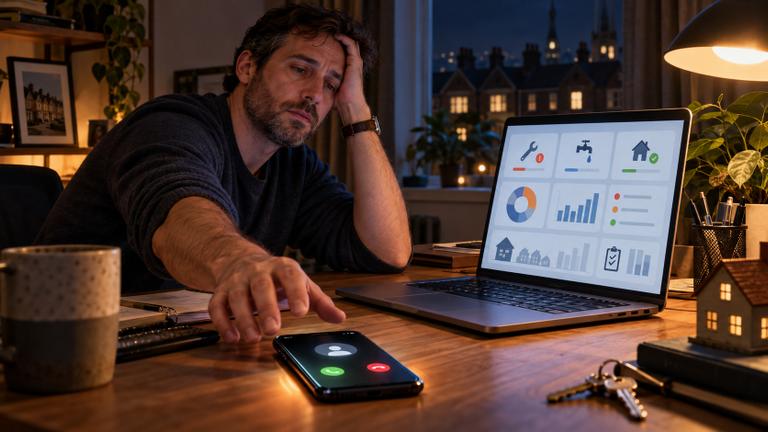
The call comes in at 1:47 a.m.: a tenant swears the smoke detector chirping means the building is on fire, or a pipe under the kitchen sink is spraying water across the floor. Every property manager who has carried an after-hours line knows that feeling of reaching for the phone in the dark, unsure whether the next ninety seconds belong to a real crisis or a problem that can wait for daylight. Handling an after hours maintenance emergency well protects your tenants, your properties, and your own sleep, but only if you've built the triage system before the phone rings, not while you're half-awake trying to decide if a running toilet counts as an emergency.
What Counts as an After-Hours Maintenance Emergency
Not every 10 p.m. text is an after hours maintenance emergency, and treating every call the same way is the fastest route to burnout. The trick is sorting calls into two buckets before you even pick up: issues that threaten safety or habitability and can't wait, and everything else.
True Emergencies Worth a Late-Night Contractor Call
- Active water leaks flooding a unit or threatening the floor or unit below
- No heat during freezing weather (most states set minimum habitability heat standards for the winter months)
- No working smoke or carbon monoxide detector after a tenant reports an alarm failure
- A strong gas odor or suspected gas leak
- Electrical hazards, like sparking outlets, exposed wiring, or a breaker panel that smells hot
- Sewage backup, or a completely blocked toilet in a unit with only one bathroom
- A broken exterior door lock or shattered window that leaves the unit unsecured
- Any fire, even a small one that's already out, because insurance and code officials will ask what happened
What Can Reasonably Wait Until Morning
- A slow drip that isn't damaging anything
- One of two bathrooms out of service
- A dishwasher, washer, or dryer that stopped working
- Cosmetic damage, squeaky doors, or a minor pest sighting
- A jammed garbage disposal
- A refrigerator running warm but food isn't yet at risk
Build a Triage Script Before the Phone Rings
The property managers who sleep best aren't the ones who ignore calls. They're the ones who built a script long before the first after hours maintenance emergency landed on their desk. Whoever answers, whether that's you, a leasing associate, or an answering service, should run through the same four questions every time:
- Is anyone in immediate danger?
- Is water actively flowing right now?
- Can you smell gas?
- Is the unit secure, or can anyone get in who shouldn't?
Put these questions, along with a clear list of what does and doesn't qualify as an emergency, into your lease packet and tenant welcome guide. Tenants who know what to expect are far less likely to panic-call over a clogged sink, and far more likely to actually call when something serious happens. If you manage a portfolio large enough that this feels overwhelming to build from scratch, PlanaJob's resources for property managers walk through setting up a repeatable maintenance workflow from intake to close-out.
Know Where the Legal Line Sits
Most states hold landlords to some version of the implied warranty of habitability, meaning a rental unit has to stay fit to live in, with functioning heat, water, electricity, and basic structural safety. Ignore a legitimate after hours maintenance emergency and, depending on your state and local ordinances, you could be looking at rent withholding, repair-and-deduct claims, or a code enforcement complaint on top of the original problem. The specifics vary widely by state and even by city, so this is worth confirming against your state's landlord-tenant statute or with an attorney rather than assuming your lease language covers you. A good rule of thumb: if delaying a repair would violate habitability standards, it belongs in the "can't wait" bucket regardless of how inconvenient the timing is.
Keep a Vetted Contractor Bench for Every Trade
A triage script only works if you actually have someone to call at the other end of it. Line up at least one reliable plumber, electrician, HVAC tech, and locksmith who will pick up at night, and negotiate emergency call-out terms in advance rather than during the crisis. Expect to pay a premium for after-hours and weekend work; that's standard across the trades and part of the cost of running a responsive property management operation, not a sign you're being overcharged. The property managers who get burned are usually the ones scrambling to find any available contractor at 2 a.m. instead of one they've already vetted.
This is also where it helps to have more than one name per trade. Platforms like PlanaJob let property managers compare quotes from vetted contractors instead of depending on a single phone number that might not answer some night. For contractors reading this from the other side of the call, constructionarbitrage.com has good breakdowns of how to price emergency availability into your business instead of quietly eating the cost of being on call.
Route the Call, Don't Become the Middleman
Every after hours maintenance emergency you personally field, chase a contractor down for, and follow up on the next morning is an hour you don't get back. It also puts you in the middle of a liability chain you don't need to own: if you're the one deciding which contractor shows up at midnight, you're the one who answers for it if that contractor does a poor job. Instead of that call landing on your cell, route it straight to a dispatch system built for exactly this. PlanaJob's 24/7 contractor dispatch takes the tenant's report, matches it to an available, vetted contractor in the right trade, and keeps you looped in without you having to make the calls yourself at 2 a.m. If you haven't set that up yet, you can sign up for PlanaJob and connect your properties in less time than it takes to field one bad night's worth of calls.
Document Every Emergency Call After the Dust Settles
Once the immediate problem is handled, log it while it's fresh: time of the call, what the tenant reported, what questions you asked, who you dispatched, and how long resolution took. This record matters for three reasons. It protects you if a habitability dispute comes up later, it gives you real data on which contractors respond fastest and do the best work, and it helps you refine your triage script so the next call gets handled even faster. Property managers running multiple units should keep this log somewhere searchable, not scattered across text threads, so patterns (a unit with recurring plumbing issues, a contractor who's slow to answer at night) actually surface. The PlanaJob blog for property managers has more on setting up maintenance logs that hold up if a dispute ever goes to a housing authority or small claims court.
FAQ
What qualifies as an after-hours maintenance emergency?
Generally, anything that threatens safety or habitability right now: active flooding, no heat in freezing weather, gas odors, electrical hazards, sewage backups, or a unit that can't be secured. Anything inconvenient but not dangerous, like a broken dishwasher or a slow drip, can typically wait for regular business hours.
Should property managers answer after-hours calls personally?
Not if it can be avoided. Fielding every call yourself is a fast path to burnout and puts you in the position of personally vouching for whichever contractor you scramble to find at night. A trained answering service or a dispatch system that routes calls to vetted, available contractors is safer for you and faster for the tenant.
How much more do contractors charge for emergency after-hours work?
Emergency and after-hours rates run higher than standard daytime pricing across nearly every trade, since contractors are compensating for disrupted schedules and unpredictable timing. Exact premiums vary by trade, region, and contractor, so it's worth confirming after-hours rates with your contractor bench in advance rather than negotiating during the emergency itself.