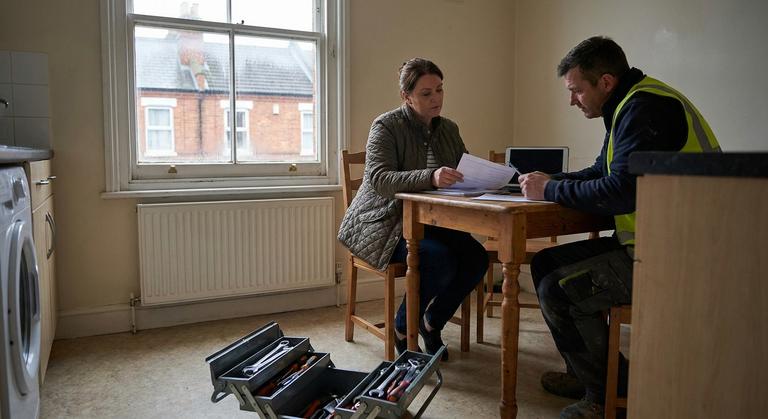
Getting served with a T6 application at the Ontario LTB is a moment that separates organized landlords from everyone else. The T6 - formally the Tenant Application about Maintenance - is a tenant's claim that you failed to keep their rental unit in good repair, and it carries real remedies: rent abatements, repair orders, and compensation for damaged belongings are all on the table. Here is the good news: the Landlord and Tenant Board does not expect perfection. It expects a landlord who responded reasonably and can prove it. This guide covers what a T6 actually claims, what to do in the first week, and how to build the evidence package that decides most hearings.
What a T6 Application at the Ontario LTB Actually Claims
The T6 is filed under the Residential Tenancies Act, 2006, which makes a landlord responsible for keeping the rental unit and the residential complex in a good state of repair, fit for habitation, and compliant with health, safety, housing and maintenance standards. Two features of this duty catch landlords off guard. First, it applies even if the tenant knew about the problem when they signed the lease - you cannot contract out of it. Second, it covers common areas as well as the unit itself, so a broken entry door or a leaking underground garage can ground a claim just as easily as a dead furnace.
The claims in a T6 application to the Ontario LTB are generally limited to events within the year before the tenant filed, so most hearings focus on the recent history of the tenancy rather than ancient grievances - though a long-running problem that was never fixed can still be very much alive.
What the tenant can ask for
On the T6 form, a tenant can request remedies including:
- a rent abatement for the period the problem affected their use of the unit
- an order requiring you to complete specific repairs or replacements
- compensation for belongings damaged or destroyed because of the disrepair
- reimbursement of reasonable out-of-pocket costs the problem caused
- authorization to do the work themselves and deduct the cost from rent
- an order that rent be paid to the Board until the work is done
- in serious cases, termination of the tenancy
The standard is reasonableness, not perfection
Ontario's appellate courts have taken a contextual approach to maintenance claims: a landlord is not automatically in breach the moment something breaks. What matters is when you learned of the issue, how promptly and competently you responded, and whether anything outside your control - including a tenant refusing entry - slowed the work down. That framing should shape your entire answer to a T6 application. Your job at the Ontario LTB is to show a reasonable, documented response, not a building where nothing ever failed.
Your First Week After the Notice of Hearing
- Read the application and the Notice of Hearing together. Note the hearing date, the format (most LTB hearings are held by videoconference), and the deadlines for submitting and exchanging evidence. Those deadlines are firm.
- Do not retaliate. Serving a sudden termination notice or firing off an angry message after a T6 arrives looks like reprisal, which the Act prohibits, and it will follow you into the hearing room.
- Map every allegation against your records. Build a simple table: issue claimed, date the tenant says it started, date it was reported to you, what you did, current status. Gaps in that table are your risk areas.
- Inspect the unit with proper written notice of entry. See the conditions first-hand and photograph everything, good and bad, with dates.
- Start fixing what is legitimately outstanding. More on why below.
- Get advice from a lawyer or licensed paralegal. A T6 hearing is a legal proceeding with sworn testimony and cross-examination, and representation often pays for itself.
Building the Evidence Package That Decides the Hearing
Most T6 hearings are won or lost on paper before anyone says a word. Adjudicators think in timelines, so give them one.
Reconstruct the timeline for every issue
For each item in the application, set out: the date the problem was first reported, how it was reported, what you did in response, when a contractor attended, and when the issue was resolved. If a repair took longer than it should have, explain why - parts on backorder, a specialist trade needed, access refused. A slow repair with a documented reason reads very differently from a slow repair with silence around it.
Documents that carry weight
- dated photographs and videos of the unit, before and after work
- work orders, contractor invoices, and completion notes
- texts and emails with the tenant, including your entry notices
- records of refused access, missed appointments, or ignored entry notices
- municipal property standards or inspection reports, if any exist
Serve and file your evidence within the deadlines in your Notice of Hearing - adjudicators can refuse late material. Contractors know this discipline well: construction payment disputes are routinely decided by whoever kept better records, a theme the business strategy writers at Construction Arbitrage return to often. Landlords should treat their maintenance files with the same rigour.
Complete the Repairs Before You Argue About Them
Finishing outstanding work before the hearing does not erase liability for the months a problem went unaddressed, but it transforms the conversation. It narrows the window any abatement can cover, takes a repair order off the table, and shows the adjudicator a landlord acting in good faith rather than one dragged into compliance. Speed matters here, which is where sourcing trades quickly helps - platforms like PlanaJob let property managers post the job once and compare quotes from vetted contractors instead of ringing around while the hearing date approaches.
Mediation and the Hearing Itself
The LTB offers mediation, and it is worth taking seriously. A Board mediator can help you and the tenant reach a settlement with terms an adjudicator might never order - a repair schedule paired with a modest abatement, for example - and a settlement ends the matter without an adverse order on your record.
If you proceed to the hearing, present your timeline chronologically, stay factual, and resist the urge to attack the tenant's character; adjudicators tune it out and it costs you credibility. Do raise the limits of the application: point out issues the tenant never reported to you, and claims that fall outside the period a T6 application at the Ontario LTB can reach. If you lose on some items, a clean documented response usually still shrinks the remedy.
Stop the Next T6 Before It Starts
The landlords who lose these hearings are rarely the ones who ignored their buildings - they are the ones who cannot prove what they did. Fix that with systems: a single written channel for maintenance requests, an acknowledgement to the tenant for every report, and a record that tracks each job from request to completed invoice.
This is where a maintenance platform earns its keep. PlanaJob's repair history logs give you a time-stamped paper trail - the original request, the quotes, the contractor's attendance, the invoice, the completion photos - which is exactly what an adjudicator wants to see at an LTB hearing. If you manage multiple doors, see how PlanaJob works for property managers, or create a free account and start logging jobs before the next request comes in. You will find more Ontario compliance guides on the PlanaJob blog.
FAQ
Do I need a lawyer or paralegal to respond to a T6?
No - landlords can represent themselves at the Landlord and Tenant Board. But a T6 hearing involves sworn evidence, cross-examination, and remedies that can add up quickly, so many landlords retain a licensed paralegal who handles LTB work regularly. At minimum, get advice before the hearing so you understand your actual exposure and which claims are worth contesting.
What happens if I ignore a T6 application?
The hearing proceeds without you. The adjudicator hears only the tenant's evidence and can grant the full range of remedies on that one-sided record, and the resulting order is enforceable. Your options for reopening the matter afterward are limited, so treat attendance as non-negotiable even if you believe the claims are weak.
Can a tenant's T6 cover problems from years ago?
Generally not - the claims in a T6 application are limited to the period shortly before filing, roughly the past year. The nuance is that an unresolved problem is ongoing, so a leak first reported three years ago that still is not fixed remains live. If the application recites ancient, long-resolved history, raise the limitation period at the hearing rather than assuming the Board will filter it out for you.