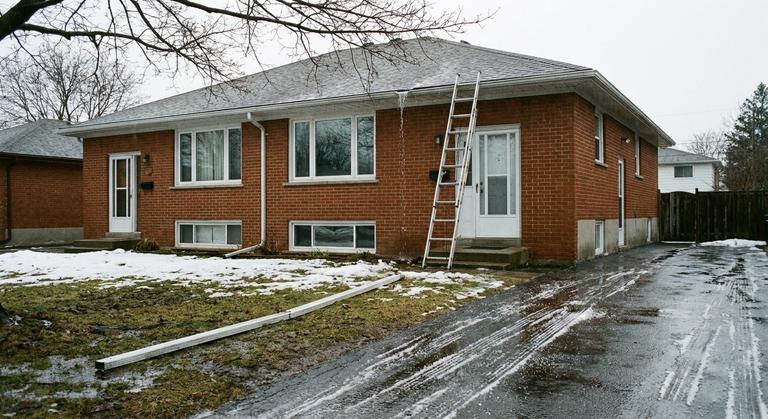
By the time the last snowbank in the parking lot has shrunk to a grey lump of sand and salt, your buildings have already taken their annual beating. A spring maintenance checklist Canada property managers can genuinely work through in one walk-around is the cheapest insurance you will buy all year, because most expensive spring claims start as something visible in April and ignored until June: the ice dam that soaked a ceiling, the spalled front steps, the sump pump that quietly died in February. Winter damage is rarely dramatic on the day you find it. It gets dramatic when the spring rain arrives, frost comes out of the ground, and a tenant calls about water in the basement.
Time the inspection to the thaw, not the calendar
Spring arrives on wildly different dates across the country. On the south coast of BC you may be walking properties in late February. Across the Prairies, southern Ontario and Quebec you are usually looking at April. In Atlantic Canada, northern Ontario and anywhere further north, you might still be waiting into May. Book the inspection against local conditions instead: snow off the roof, bare ground on the north side of the building, and daytime highs consistently above freezing.
The best inspectors do two passes.
Pass one: watch the water while it is still moving
During the melt, visit on a wet afternoon. This is the only time of year you get free diagnostics. Where does roof runoff actually land? Is a downspout dumping against the foundation because the extension was pulled off for snow clearing in December and never put back? Is meltwater pooling against a foundation wall or running toward a window well instead of away from it? Is one roof slope shedding cleanly while another holds a ridge of ice at the eaves? Ten minutes in the rain tells you more about drainage than any dry inspection ever will.
Pass two: the full post-winter inspection
Once the ground is bare and dry, do the detailed walk with a camera, a moisture meter if you have one, and a written form. A spring maintenance checklist Canada property managers can defend later is one that is written down, dated and photographed, so you can prove condition if an insurance claim or a tenant dispute follows.
The spring maintenance checklist Canada property managers actually use
Work outside in, top down. This spring maintenance checklist Canada landlords can adapt to almost any low-rise or single-family rental:
- Roof - missing or lifted shingle tabs, torn drip edge, damaged flashing, sagging or pulled-away eavestroughs, stained soffits and fascia (the fingerprint of an ice dam), cracked plumbing vent boots.
- Attic - water staining on the underside of the sheathing, matted or discoloured insulation, and bathroom or dryer fans venting into the attic rather than outside. Attic frost that melts in March gets reported as a roof leak every single year, and re-shingling will not fix it.
- Eavestroughs and downspouts - flush them out, refasten hangers loosened by ice loads, and reconnect every downspout extension so discharge lands well clear of the foundation.
- Grading and window wells - soil that has settled against the wall, negative slope, wells packed with leaves and grit, blocked well drains.
- Foundation - new cracks, widened old ones, efflorescence, damp patches. Vertical hairlines are usually monitoring items; horizontal cracking or inward bowing needs an engineer, not a tube of caulking.
- Concrete and asphalt - spalled steps, landings and garage slabs where de-icer sat all winter, heaved walkways and interlock, fresh potholes and cracking in the lot.
- Decks, stairs and fences - frost heave shows up as wobbly guardrails, twisted stringers and posts standing proud of the ground. Push hard on everything.
- Cladding and openings - popped brick faces and spalled mortar from freeze-thaw, split vinyl siding, failed caulking around windows and doors, crushed weatherstripping.
- Exterior taps and irrigation - open each hose bib and watch. A frost-free sillcock that split behind the wall only reveals itself when you turn it on, usually as a wet basement wall.
- Basement water defences - test the sump by pouring in a pail of water, check the float and any backup, confirm the discharge line runs away from the building and is not still frozen, and inspect the backwater valve if one is fitted. Some municipalities offer rebates toward backwater valve installation, so it is worth asking.
- Mechanicals - furnace filter, humidifier bypass damper switched over for summer, condensate lines clear, high-efficiency vent terminals undamaged and free of ice or snow debris, HRV filters and core cleaned, exterior hood unobstructed.
- Air conditioning - pull the cover, clear the condenser, check line-set insulation for rodent damage, and only run the unit once outdoor temperatures are reliably in the mid-teens.
- Life safety - test every smoke and carbon monoxide alarm, replace batteries, check the expiry date stamped on the units themselves, and confirm CO alarm placement meets your province's requirements for fuel-burning appliances and attached garages.
- Pests and pinch points - spring is denning season. Look for raccoon and squirrel entry at soffits, roof vents and chimney caps, and for mouse runs at gaps the snow was hiding.
- Rural properties - test well water after runoff, and confirm the septic field has drained rather than sitting saturated.
What to fix first when the list is long
Every property manager comes back from a spring maintenance checklist Canada walk-through with more items than the budget covers. Triage in this order:
- Water getting in - roof, flashing, drainage, sump. Water damage compounds fast, and it is the first thing an insurer asks about.
- Safety and liability - alarms, guardrails, heaved walkways, loose stair treads. Provincial residential tenancy rules across the country require you to keep the unit in a reasonable state of repair, whatever the tenant's own housekeeping looks like.
- Structure - foundation movement, spalled concrete on suspended slabs and parkade decks. Underground parking in salt country deserves a proper structural review on a cycle, not a flashlight check.
- Cosmetic and comfort - paint, landscaping, salt-burned turf. Worth doing, last in line.
Two notes on process. Give proper entry notice: most provinces require at least 24 hours' written notice before entering an occupied unit, and a friendly text message is not the same thing. And separate winter damage from tenant-caused damage while the evidence is fresh, with photos in the file for both.
Book the trades before the queue forms
The awkward truth is that everyone's spring maintenance checklist Canada-wide lands on the same trades in the same three weeks. Roofers, concrete crews, paving contractors and HVAC techs go from quiet to fully booked almost overnight, and pricing follows that demand curve - it is a standard topic among contractors who think seriously about their numbers, and worth understanding from the buyer's side too if you read anything like Construction Arbitrage. Get your scopes written and quoted while there is still snow in the ditch.
A few habits that keep spring costs sane:
- Bundle small jobs by trade and by street so a crew mobilises once.
- Write scopes with quantities and photos rather than adjectives, so quotes are actually comparable.
- Get more than one price on anything structural or above your usual approval threshold. Platforms like PlanaJob let property managers post a job once and compare quotes from vetted contractors instead of chasing three voicemails.
If you run a portfolio, this is the moment to make the inspection a system rather than a scramble. PlanaJob's spring inspection package is built for exactly that: a standard post-winter walk-through across your properties, damage documented with photos, and quotes lined up from vetted local trades, so you find the winter damage before your tenants report it. See how it works on our Canadian property managers page, sign up here, or browse more seasonal guides on the PlanaJob blog.
FAQ
When should I start spring maintenance on a Canadian rental?
Anchor your spring maintenance checklist Canada timing to the thaw, not to a date on the calendar. Once the roof is clear, the ground is bare and overnight temperatures are mostly above freezing, do the full walk. Before that, make one visit during an active melt to watch where water actually goes. Coastal BC often runs six to ten weeks ahead of northern and Atlantic properties, so a single national date does not work for a mixed portfolio.
Who pays for winter damage, the landlord or the tenant?
As a rule, the owner. Ordinary weather and wear damage to the building sits with the landlord under provincial residential tenancy legislation. A tenant may be responsible where damage results from negligence or wilful acts, such as shutting off heat in an empty unit or failing to report an obvious leak, but you need dated photos and a written record to support that. Never delay a repair while the responsibility question is being argued.
What gets missed most often on a post-winter inspection?
Two things fall off nearly every spring maintenance checklist Canada property managers write. First, downspout extensions removed for snow clearing and never reconnected, which quietly dumps meltwater against the foundation. Second, attic condensation misdiagnosed as a roof leak, usually caused by a bathroom fan venting into the attic. A split frost-free hose bib is a close third, because it stays invisible until the day you turn the tap on.