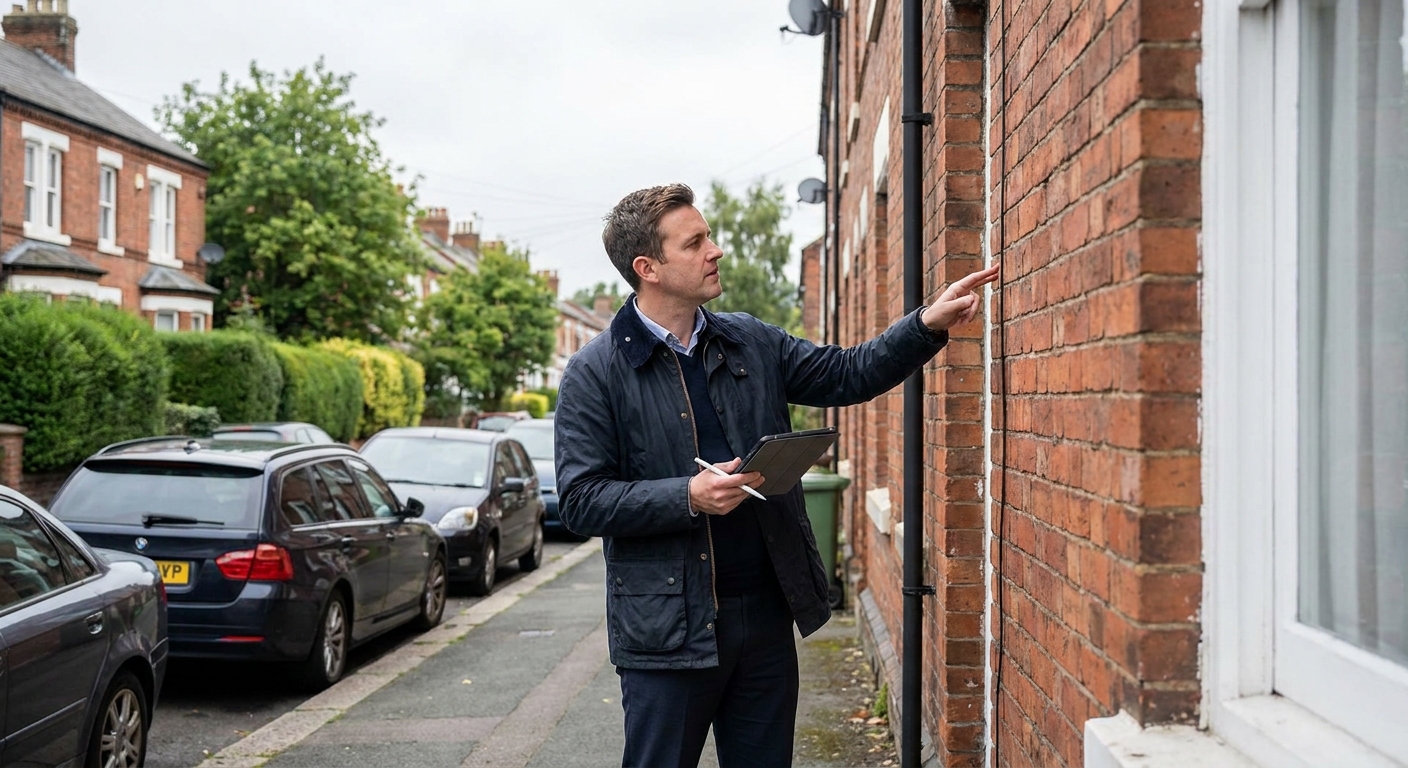
The Renters' Rights Act 2026 is the biggest overhaul of the private rented sector in England in more than thirty years. Section 21 evictions are on their way out, fixed-term assured shorthold tenancies are being replaced by rolling periodic tenancies, and the Decent Homes Standard and Awaab's Law are being extended to private rentals for the first time. For property managers, the practical impact lands squarely on operations: how quickly you respond to disrepair, how you evidence that response, and how organised your records are when a tenant, an ombudsman or a local authority asks to see them. This guide covers what is changing and how to get your portfolio ready before the new regime bites.
What the Renters' Rights Act 2026 Actually Changes
The Act completed its passage through Parliament in late 2025, and its provisions are being phased in, with the headline reforms taking effect through 2026. The changes that matter most to property managers fall into three groups.
Tenancy reform
- Section 21 abolished. No-fault evictions end. Possession will rely on strengthened Section 8 grounds, which means clean paperwork and solid evidence matter more than ever.
- Periodic tenancies by default. Fixed terms are replaced by rolling periodic tenancies, and existing tenancies convert to the new system rather than running down to expiry.
- Rent increases formalised. Rent can only be raised through the statutory notice process, once a year, and tenants can challenge increases at tribunal.
- New rules on pets, bidding and discrimination. Landlords must consider pet requests and cannot unreasonably refuse them, rental bidding is banned, and blanket bans on tenants with children or those receiving benefits are outlawed.
Property standards
The Decent Homes Standard, previously a social housing benchmark, will apply to private rented homes. Awaab's Law - the requirement to investigate and remedy serious hazards such as damp and mould within set timescales - is also being extended to the private rented sector.
Accountability
Landlords will need to register on a new private rented sector database and join a mandatory ombudsman scheme. Tenants get a clear, free route to escalate complaints about disrepair or poor management without going anywhere near a court.
Why Maintenance Is Now a Compliance Risk, Not Just a Cost
For years, maintenance sat in the operations column: keep tenants reasonably happy, keep costs under control, keep landlords informed. The Renters' Rights Act 2026 moves it into the compliance column, and three shifts drive that.
First, tenants are staying put. With Section 21 gone, an unhappy tenant no longer solves the problem by leaving or being asked to leave. They stay, and they complain - to you, to the ombudsman, or to the local authority. A pattern of slow repairs that once went unnoticed becomes a documented service failure.
Second, hazards now come with clocks attached. Under Awaab's Law, serious hazards such as damp and mould must be investigated and remedied within timescales set out in regulations. "We booked a contractor and they were busy" is not a defence. You need a process that triages reports on the day they arrive and a contractor bench that can actually turn up.
Third, the burden of proof sits with you. When a complaint reaches the ombudsman, the question is not whether you did the work but whether you can prove it: when the report came in, when someone inspected, what they found, what was instructed, and when it was completed. Property managers with scattered records - a report in one inbox, a quote in another, photos on a contractor's phone - will struggle to tell that story.
A Renters' Rights Act 2026 Readiness Checklist
You do not need to reinvent your operation, but you do need to close the gaps before the ombudsman and database provisions arrive. Work through these six steps:
- Audit your stock against the Decent Homes Standard. Walk every property, or commission condition surveys, and flag anything that would fail: persistent damp, failed heating, tired kitchens and bathrooms, structural disrepair. Price the remedial work now so landlords can budget rather than panic later.
- Create a hazard triage procedure. Define what counts as an emergency, an urgent hazard and a routine repair, who makes that call, and what the response target is for each. Write it down and train whoever answers the phone.
- Fix your reporting channels. Tenants need one obvious way to report issues that creates a record automatically. If reports arrive by text to three different staff phones, you have no audit trail.
- Update your terms of business. Make sure your management agreements give you authority to instruct urgent works up to an agreed value without waiting days for landlord approval. A landlord who is slow to approve is now a compliance risk to your firm, not just an irritation.
- Build a contractor bench before you need it. Damp and mould specialists in particular will be in demand across the sector. Line up vetted trades for each category now, not when a deadline is already running.
- Centralise your records. One system, one timeline per issue, from first report to closed job.
The Compliance Audit Trail: Your Best Defence
If an ombudsman investigator, a tribunal or an environmental health officer looks at a complaint, they want a simple story told by timestamps: report received, inspection booked, hazard assessed, work instructed, work completed, tenant informed. Try to assemble that from old emails and WhatsApp threads after the event and it looks exactly like what it is - a reconstruction.
This is where job management tools earn their keep. When you raise a job through Planajob, the record builds itself: the original issue description, the date it was raised, the quotes received, the contractor appointed, photos of the completed work and the final invoice all sit on one timeline. Across a portfolio, that running history is precisely the evidence chain the Renters' Rights Act 2026 regime will ask for. You can see how it fits agency workflows on the Planajob property managers page, and there are more compliance guides on the Planajob blog.
Working With Contractors Under the New Rules
Your compliance now depends partly on other people's diligence. A contractor who takes three weeks to attend a mould report, or who finishes a job without photos, leaves you exposed even though you did everything right on paper.
Two practical adjustments help. First, widen your options: platforms like Planajob let property managers compare quotes from vetted contractors, so one busy regular no longer means a stalled hazard response. Second, set evidence expectations up front - before and after photos, a short completion note and dates on everything should be a condition of the job, not a favour.
The trade side is adapting too. Contractors who respond fast and document well are realising that compliance-driven work is steady, repeat work, and communities such as Contractor Club are full of trades comparing notes on exactly this shift. In dense markets, established maintenance firms like Simpled Services in London have long worked to response-time commitments, and that model is now spreading across the sector.
FAQ
When does the Renters' Rights Act 2026 take effect?
The Act became law in late 2025 and its provisions are being brought into force in phases, with the main tenancy reforms and standards provisions landing through 2026. Commencement dates are set by government regulations, so check official guidance for the current timetable rather than relying on second-hand summaries.
Do the new rules apply to existing tenancies?
Yes. Existing assured shorthold tenancies convert to the new periodic system on the relevant commencement date, and property standards apply to the home itself regardless of when the tenancy began. There is no grandfathering for older tenancies, so bring the whole portfolio up to standard rather than just new lets.
What records should property managers keep?
Keep a dated trail for every reported issue: the original report, your triage decision, inspection findings, the instruction to the contractor, quotes, completion evidence such as photos, and the note back to the tenant. Store gas, electrical and other statutory certificates alongside them. If you can produce that file within minutes for any property, you are in good shape for the renters rights act 2026 era.