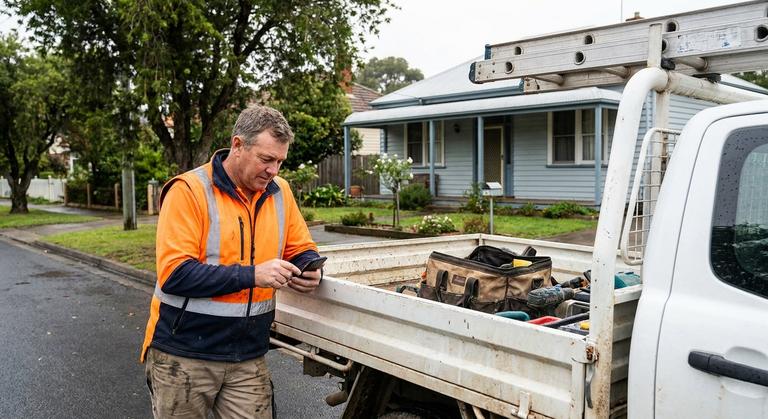
Ask ten Kiwi tradies how to find trade work in NZ and you will get ten different answers, and most of them will only know two or three channels well. That is the real gap. The work exists, spread across government tender portals, consumer job platforms, property management dispatch systems and old-fashioned referral networks, but nobody hands you the map. This guide covers the channels that reliably produce jobs for New Zealand contractors, from GETS at the government end to Builderscrack at the homeowner end, plus the quieter rental maintenance lane in the middle that most sole traders never think to enter.
How to Find Trade Work in NZ: The Full Channel Map
Every channel worth your time fits one of five buckets:
- Government and public sector - GETS tenders, Kāinga Ora maintenance partners, council contracts and school property work
- Prequalification gateways - Tōtika and SiteWise, which unlock most of the bucket above
- Consumer platforms - Builderscrack, NoCowboys, Neighbourly and local Facebook groups
- Rental maintenance - property managers, dispatch software like Tapi, and marketplaces like PlanaJob
- Commercial subcontracting - main contractors and their approved subbie lists
Working out how to find trade work in NZ is really a matter of picking the two or three buckets that suit your trade, your region and your appetite for paperwork, then going deep rather than wide.
Government Work Starts at GETS
The Government Electronic Tenders Service
GETS (gets.govt.nz) is where central government agencies must openly advertise contracts above set procurement thresholds, and where plenty of smaller opportunities appear voluntarily. Registration is free. Set up email alerts filtered by your region and trade categories, and treat your first few tenders as practice - read the evaluation criteria, answer exactly what is asked, and do not pad. Agencies score responses against their published criteria, so a short compliant bid beats a glossy irrelevant one.
Kāinga Ora maintenance partners
Kāinga Ora is the country's largest residential landlord, and it does not engage most trades directly. As at August 2026, responsive and planned maintenance is delivered through contracted maintenance partners organised by region. The practical move is to find out who holds the contract for your patch - the current partner list is published on the Kāinga Ora website - and register as a subcontractor with that partner. Expect to show insurance, relevant licensing (LBP status for restricted building work, or registration with the Plumbers, Gasfitters and Drainlayers Board or the EWRB where applicable) and a working health and safety system.
Councils, schools and the long tail
Councils advertise through their own procurement pages and portals such as Tenderlink as well as GETS, and Ministry of Education property work flows through GETS too. These jobs skew toward planned programmes - painting rounds, roofing, compliance work - which is exactly the repeat revenue a small firm needs.
Prequalification: Tōtika and SiteWise Open the Doors
At the commercial end of the market, how to find trade work in NZ is half a paperwork question. Most public sector clients and main contractors will not let you on site without a health and safety prequalification. SiteWise, run by Site Safe, is the scheme Kiwi tradies meet most often. The old trap was paying for a different scheme for every client. Tōtika, the cross-recognition register set up by CHASNZ, fixes much of that: as at August 2026, a Tōtika-recognised prequalification is accepted by the scheme's member clients, so one assessment can open many doors. Before paying for a second scheme, check whether your target client sits on the Tōtika register. And get prequalified before you need it - assessments take time, and tenders will not wait.
Consumer Platforms: Builderscrack, NoCowboys and the Local Feeds
Builderscrack
Builderscrack is one of the best-known homeowner job platforms in the country. Homeowners post jobs, tradies express interest, and you pay a success fee on work you win rather than buying leads up front - check the current fee structure before committing. Two things decide whether it works for you: response speed, because homeowners shortlist whoever replies first with a useful question, and reviews, which compound. Early on, take smaller jobs to bank five-star reviews; they are the asset.
NoCowboys
NoCowboys is a ratings directory rather than a job board, but a strong profile there wins work you never see, because homeowners use it to vet the shortlist they built elsewhere. Ask every happy customer for a review while you are still on site.
Neighbourly and Facebook groups
"Can anyone recommend a sparky?" gets asked in every suburb's Neighbourly feed and community Facebook group daily. Being the tradie who answers questions helpfully - not the one who spams "PM me" - earns a stream of local referrals that costs nothing but attention.
The Rental Maintenance Lane: Steady Work Most Tradies Miss
Most advice on how to find trade work in NZ jumps straight from tenders to homeowners and skips the middle: property managers. One property manager can control hundreds of tenancies, and with Healthy Homes Standards compliance now required across private rentals, there is constant demand for heating, insulation, ventilation, draught-stopping and general maintenance work.
There are two ways in. The first is dispatch software: many PM firms run maintenance through platforms like Tapi, which push jobs to a short list of preferred trades - so the goal is getting on that list, which usually starts with an email, proof of insurance and a fast first job done well. The second is marketplace-style platforms. Platforms like PlanaJob let property managers raise maintenance jobs and compare quotes from vetted contractors, which works in your favour if your pricing is sharp and your reviews are solid. You can see what property managers are looking for on the PlanaJob property managers page - the jobs are typically small, frequent and paid by businesses rather than one-off homeowners, which does wonders for cash flow.
Win the first three jobs from a PM and you are no longer competing; you are their first call.
Subcontracting to Main Contractors
Tier-one and mid-tier builders run approved subcontractor lists, and most let you register interest through their websites. A Tōtika-recognised prequalification shortens that conversation considerably. Protect yourself on payment: issue payment claims that comply with the Construction Contracts Act, in writing, on time, every time. Pricing subcontract tenders and managing main contractor relationships is a commercial skill of its own - Construction Arbitrage covers that side of the business well if you are moving up in contract size.
Seven More Channels, One Line Each
That is fifteen channels in depth. If you are still mapping how to find trade work in NZ, here are seven more, one line each:
- Trade association directories - Registered Master Builders, Master Plumbers and Master Electricians all run find-a-member searches that homeowners actually use.
- Insurance and restoration panels - weather event repair programmes need vetted trades at short notice; approach the large restoration firms directly.
- Body corporate managers - one relationship can put you on the roster for dozens of apartment blocks.
- Merchant reps - your wholesaler hears about projects before they are advertised; ask what is coming.
- Google Business Profile - still the first stop for urgent call-outs; photos and reviews win the click.
- Referral networking groups - breakfast groups feel old-school, but the referrals are real and they repeat.
- Buying a book of work - established trade businesses change hands with clients attached; marketplaces like Contractor Exit exist for exactly this.
Build a Pipeline, Not a Lucky Streak
The question of how to find trade work in NZ stops mattering once three channels feed you independently, because no single client, platform or partner can then empty your calendar. Pick deliberately: a sparky in Tauranga might run Builderscrack, two property manager relationships and a merchant rep, while a commercial painter in Wellington runs GETS alerts and two main contractors. Track where every job actually came from for three months, then double down on the two channels that pay best per hour of chasing.
If rental maintenance sounds like your lane, create a free PlanaJob profile and start quoting on jobs property managers have already decided to fund. For more on pricing, quoting and winning repeat work, the PlanaJob blog digs into one channel at a time.
FAQ
Is GETS free for tradies to use?
Yes. Registration and tender alerts cost nothing, and government agencies must openly advertise contracts above set procurement thresholds, so a steady stream of work passes through. The real cost is your time writing responses, which is why tight, criteria-focused bids matter.
Do I need SiteWise or Tōtika before I can tender?
Not for private homeowner work. For most government, council, Kāinga Ora partner and main contractor work, some form of health and safety prequalification is expected. Check whether your target client recognises Tōtika before paying for a second scheme - one assessment often covers several clients.
What is the fastest way to get steady work from property managers?
Respond within the hour, quote in writing with a fixed price where possible, photograph the job before and after, and invoice promptly. Property managers juggle dozens of trades and hundreds of tenancies; the contractor who removes admin from their day gets the next job without it ever going out to quote.