Ask three HVAC contractors to price the same duplex and you can get quotes thousands of dollars apart - and all of them may be defensible. Heat pump cost in Canada swings this widely because the equipment is only part of the bill: the building's ductwork, the electrical service, the backup heat strategy and even how deep the snow drifts against the wall all move the number. This guide breaks down realistic planning ranges for property managers, which rebates actually apply to rental properties, and what to specify in a cold-climate model before you sign anything.
What Drives Heat Pump Cost in Canada?
The outdoor and indoor units are often less than half the invoice. The rest is labour, electrical work, refrigerant lines, controls and the quiet contingency every installer builds in for surprises behind the drywall. Four factors move the price more than anything else:
- Ductwork. A building with sound, properly sized ducts can take a central system. One without needs ductless heads in every zone, and head count drives cost quickly.
- Zones. A bachelor suite is one head. A three-storey walk-up with individual suites is a different project entirely, and phasing it across vacancy turns changes the math again.
- Electrical capacity. Many older Canadian rentals still run on 100-amp service. A panel or service upgrade can add thousands before any HVAC work starts, and it is the most common surprise on older buildings.
- Design temperature. A system expected to carry the full heating load at -25°C needs more capacity - and a better compressor - than one sharing duty with a gas furnace.
Typical planning ranges by system type
Treat these bands as a rough picture of what heat pump cost in Canada looks like across markets - planning ranges, not quotes. Region, equipment tier and building condition can push any of them outside the band, and every figure is before rebates.
- Single-zone ductless mini-split - one outdoor unit, one indoor head. Installed prices commonly land in the mid four figures. The usual pick for a single suite, a top-floor unit that bakes in summer, or supplementing electric baseboards.
- Multi-zone ductless - one outdoor unit feeding two to four heads. Expect the high four figures up into the low tens of thousands, depending on head count and refrigerant line runs.
- Centrally ducted cold-climate system - uses the existing ducts, replacing or pairing with a furnace. Whole-home installs are a five-figure project in most markets and can climb past $20,000 once electrical upgrades and duct modifications are included.
- Dual-fuel (hybrid) - a heat pump carries most of the season and the existing gas furnace takes over on the coldest days. Often the most cost-effective retrofit for gas-heated buildings in Ontario and the Prairies, because the backup heat is already bought and paid for.
The line items quotes often leave out
When you compare bids, check whether each one includes:
- electrical permits and inspections through the ESA, Technical Safety BC or your province's equivalent, plus any panel work
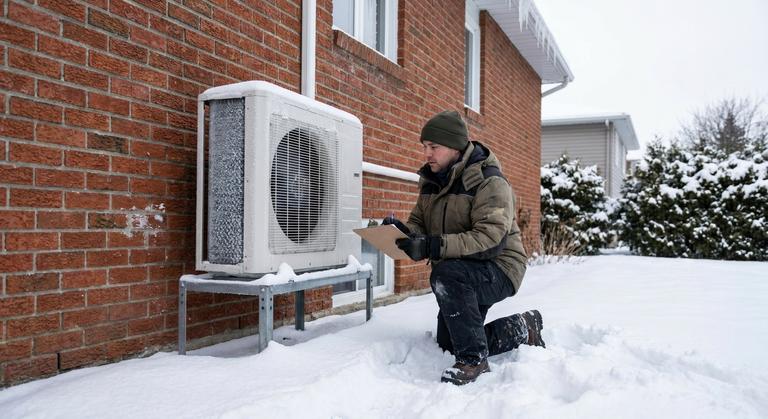
- a stand or wall bracket that keeps the outdoor unit above the local snow line, and a plan for condensate in freezing weather
- oil tank decommissioning and removal, if you are converting from oil heat
- long refrigerant line runs or masonry penetrations on older brick buildings
- the EnerGuide home evaluation, where a rebate program requires one before and after the work
A quote missing these is not cheaper - it is just incomplete.
Heat Pump Rebates in Canada: Federal, Provincial and the Rental Catch
Rebates are the biggest swing factor in the net heat pump cost in Canada, and the landscape changes often, so verify everything against current program documents before you promise an owner a number.
At the federal level, the Canada Greener Homes Grant closed to new applicants, but the Canada Greener Homes Loan has continued to offer interest-free financing for eligible retrofits (confirm current intake before relying on it), and the Oil to Heat Pump Affordability program supports households heating with oil - significant for Atlantic Canada portfolios, where oil heat remains common.
Provincially, look at CleanBC rebates in British Columbia, Hydro-Québec's LogisVert program, Efficiency Nova Scotia, and Ontario's Home Renovation Savings Program, alongside municipal and utility top-ups that come and go. Most programs pay only for equipment on an approved cold-climate list, and many require pre-approval or an energy evaluation before installation - retroactive applications are routinely refused.
The rental property catch
Most rebate programs were written with owner-occupiers in mind, and rental eligibility varies by program and province. Three things trip up property managers repeatedly:
- The property owner usually has to apply, not the management company - build that into your approvals workflow early.
- Some streams require the applicant to live in the home, which excludes tenanted units entirely, while others run dedicated landlord streams.
- Where utility accounts sit in tenants' names, utility-delivered rebates can get complicated fast.
Confirm eligibility in writing before the install is booked. A rebate assumed and then refused is an awkward conversation with an owner.
Cold-Climate Models: What to Specify
"Cold-climate" is a meaningful designation, not marketing. When you write the scope for quotes, ask for:
- a cold-climate air-source heat pump (ccASHP) listed on the relevant rebate program's eligible equipment list
- the rated heating capacity at -15°C and -25°C in writing, not just the nameplate figure, since output falls as the temperature drops
- a variable-speed (inverter) compressor and a base pan heater to manage defrost in cold, humid conditions
- sizing from a proper CSA F280 heat-loss calculation for the building, not a square-footage rule of thumb
- a clear backup heat plan: a dual-fuel switchover temperature for gas buildings, or adequate electric resistance backup for all-electric ones
Modern cold-climate units keep heating well below -25°C, but only if they are sized and installed for it. An oversized unit short-cycles and wears out early; an undersized one leans on expensive backup heat all winter. The load calculation is where good and bad installs part ways, so ask to see it.
Getting Quotes You Can Actually Compare
The fastest way to pin down heat pump cost in Canada for your specific building is three comparable quotes. Send every bidder the same scope sheet - building type, zones, design temperature expectation, backup heat plan, and who files the rebate paperwork - then compare like with like. Two quotes thousands of dollars apart usually differ in overheads, warranty exposure and crew cost rather than greed; construction business strategy blogs like Construction Arbitrage are a useful window into how trade firms build their margins, which makes the spread easier to read.
Also ask who will honour the warranty in five years. HVAC is consolidating across North America, with established firms regularly changing hands through marketplaces like ContractorExit, so confirm the labour warranty follows the business, not just the current owner.
This is where platforms like PlanaJob earn their keep: you post the job once and compare quotes from vetted contractors side by side instead of chasing callbacks. PlanaJob's HVAC pros quote cold-climate heat pumps with the rebate paperwork included, so eligibility gets confirmed before the deposit, not after. If you manage rentals in Canada, see how it works for property managers or create a free account and post your first heat pump job today. You will find more cost guides on the PlanaJob blog.
FAQ
Do heat pumps actually work at -30°C?
Good cold-climate models keep producing useful heat well below -25°C, though capacity and efficiency decline as temperatures fall. That is why Canadian installs pair the heat pump with backup heat - a gas furnace in dual-fuel setups or electric resistance in all-electric ones - and why the rated capacity at low temperature matters more than the nameplate number on the brochure.
Can landlords claim heat pump rebates in Canada?
Sometimes. Eligibility varies by program and province: some streams are owner-occupier only, others accept landlords, and utility-run programs can hinge on whose name is on the account. The safe pattern is to confirm the specific property's eligibility with the specific program before booking the install, because most programs refuse retroactive applications.
Is a heat pump cheaper to run than the existing heating?
It depends on what you are replacing and where the building sits. Swapping out oil heat or electric baseboards is usually a clear win on running costs. Against natural gas the comparison is tighter and depends on your province's electricity and gas rates, which is why dual-fuel systems that use whichever fuel is cheapest at a given temperature are popular in gas-heated markets.