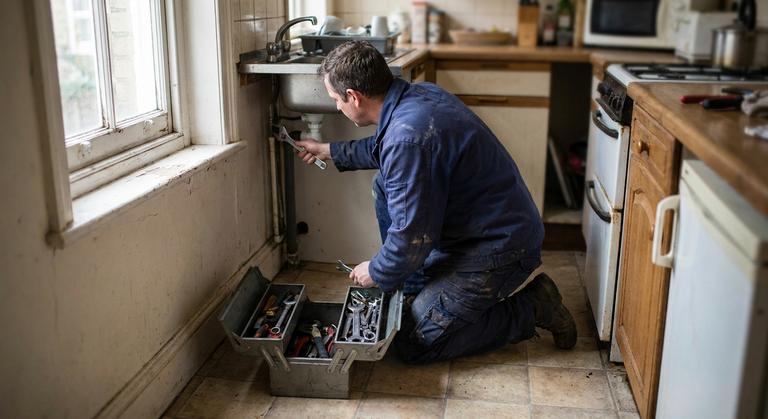
A dripping tap, a sticky deadbolt, a strip of failed caulking around the tub - none of it is complicated work, yet the invoices these jobs generate vary wildly from one contractor to the next. If you manage rentals, understanding handyman rates in Canada is less about memorizing a price list and more about knowing how pricing is built, what pushes it up, and where you are quietly overpaying. This guide walks through the mechanics for Canadian property managers and landlords, so the next quote that lands in your inbox gets judged on structure rather than gut feel.
How Handyman Pricing Is Actually Built
Before you can judge a number, you need to know which of three models produced it.
Hourly, flat rate, or call-out plus time
Most handymen price one of three ways:
- Hourly with a minimum. You pay for time, usually with a one-hour or two-hour minimum that applies whether the fix takes fifteen minutes or fifty.
- Flat rate per task. A fixed price for a defined job, which moves the time risk onto the contractor.
- Call-out fee plus time. A fixed charge for showing up, then an hourly rate on top.
None of these is inherently fairer than the others. Hourly favours you on longer, predictable work. Flat rate protects you when a job might sprawl. A call-out structure only works in your favour if you give the contractor enough tasks per visit to dilute that fixed fee - more on that below.
Materials and markup
Expect a markup on materials the contractor supplies. That is legitimate: somebody has to spend the morning at the building centre and stand behind the parts. What you should push back on is opacity. Ask for labour and materials broken out on every invoice, and for anything big-ticket - a vanity, a run of flooring, an appliance part - check the retail price yourself or supply it directly.
Taxes are part of the quote
Handyman rates in Canada are quoted before tax more often than you would expect. GST applies across the country, several provinces charge harmonized HST instead, and Quebec adds QST. A registered contractor must charge it, while a very small operator under the federal small supplier threshold may legitimately charge none. Neither is a problem, but a quote that does not state whether tax is included cannot be compared against anything. Confirm it every time.
What Drives Handyman Rates in Canada
Five factors explain most of the spread between quotes:
- Region. Labour in downtown Toronto or Vancouver costs more than in Moncton or Red Deer, and travel time matters in rural markets where the nearest contractor is forty minutes away.
- Season. Exterior work compresses into the warm months, and turnover repairs spike around month-end and the summer moving season, so demand pricing is real.
- Access. Condo work that needs an elevator booking and paid downtown parking takes longer door to door than a house with a driveway, and the quote absorbs that.
- Scope clarity. A vague request ('the bathroom needs some work') gets a padded quote because the contractor is pricing uncertainty. A tight scope with photos gets a tight number.
- Overheads. Liability insurance, provincial workers' compensation coverage (WSIB in Ontario, WorkSafeBC in BC, WCB in most other provinces), a stocked van and proper tools all cost money before the first hour is billed.
That last point deserves emphasis. A cash-only odd-jobber will usually undercut an established maintenance business, but the gap is mostly the cost of insurance, warranty and paperwork you actually want behind anyone working in your tenants' homes. The kind of operation that one day sells as a going concern on a marketplace like ContractorExit is the kind that carries proper coverage and keeps clean records - and its rates reflect it. For a contractor's-side view of how well-run trade businesses set their prices, the strategy pieces on Construction Arbitrage are worth a read.
How to Benchmark Without a National Price List
There is no dependable national rate card for handyman rates in Canada, and any guide that hands you one figure for 'faucet replacement' is guessing. What you can do is benchmark systematically:
- Time-band the job before you ask for a price. Most small repairs fall into predictable labour bands (see below). If you know something is an under-an-hour fix, you know a full-day quote needs explaining.
- Separate labour from materials. A high total can hide a fair labour charge under an inflated parts price, or the reverse. You cannot judge either until they are split.
- Compare like with like. An insured, workers' compensation-covered contractor and an uninsured cash operator are different products at different prices. Decide which you are buying, then compare within that lane.
- Get two or three quotes on identical written scope. Send everyone the same description and the same photos. Platforms like PlanaJob make this simple by letting you post a job once and compare quotes from vetted contractors side by side, turning an afternoon of phone calls into a ten-minute review.
- Keep your own history. Log every job, cost and hours against each property. Within a year you will have a benchmark tuned to your buildings and your market - better than any generic guide, including the ones we publish on the PlanaJob blog.
As a sanity check, here is how common small rental repairs usually band by labour time:
- Under an hour: toilet flapper or fill valve swap, cabinet hinge adjustment, door handle or deadbolt replacement, re-caulking a section of tub surround.
- One to three hours: replacing a kitchen faucet, patching and painting a drywall hole, re-hanging a door that will not latch, installing blinds across a unit.
- Half a day or more: replacing a fence section, working through a full turnover touch-up list, repairing a sagging eavestrough run.
If a quote implies triple the labour a job normally needs, ask the contractor to walk you through it. Sometimes there is a genuine reason - hidden water damage behind the caulking, stripped framing behind the hinge. Sometimes the number just shrinks.
Where a Handyman's Scope Legally Ends
Part of judging a price is knowing when the right answer is 'this should not be a handyman at all'. Electrical and gas work are regulated at the provincial level across Canada: beyond genuinely minor like-for-like swaps, electrical work in a rental should go to a licensed electrician, usually with a permit, and gas work always belongs to a licensed gas fitter. Treat structural changes and behind-the-wall plumbing with the same caution. A handyman quoting cheerfully on panel work is not a bargain - unpermitted work in a rental can create serious problems with your insurer and real risks for your tenants. The durable setup is a handyman for the small stuff and licensed trades for the regulated stuff, each priced accordingly.
Bundle the Punch List, Pay the Call-Out Once
Handyman rates in Canada only tell half the story; the other half is how many visits you pay for. Every visit has a fixed cost baked in - travel, parking, admin, the minimum charge - which makes five separate one-hour visits the most expensive possible way to buy five hours of labour. The single biggest lever a property manager has on maintenance spend is batching: keep a running punch list per property, hold the non-urgent items, and release them as one visit.
This is exactly the workflow PlanaJob is built around. Bundle your punch list into one PlanaJob visit - post the full list as a single job, let vetted local contractors quote the lot, and cut the per-job call-out fees that quietly inflate your maintenance line. If you run a portfolio, see how it works for property managers in Canada, or create a free account and post your first list this week.
FAQ
Why do handyman rates in Canada vary so much between cities?
Because the inputs vary: local labour markets, insurance and workers' compensation premiums, travel distances, and seasonal demand all differ by province and by city. That is why a benchmark built from your own local quote history will always beat a national average.
Should my handyman be charging GST or HST?
It depends on the province and on the contractor. Harmonized provinces use HST, the rest charge GST, and Quebec layers QST on top. A contractor operating under the federal small supplier threshold may charge no sales tax at all. Any tax on an invoice should come with a business number, and a legitimate contractor will not mind you asking for it.
Is hourly or flat-rate pricing better for small rental repairs?
Flat rate suits single, well-defined jobs because it caps your exposure. Hourly usually wins once you bundle, because a competent handyman working through a punch list bills continuous productive time instead of one padded minimum per task. Either way, get the pricing model in writing before work starts.