The first hard frost is the deadline nobody puts in the calendar, and it is the one that costs the most when you miss it. A burst hose bib, a furnace that quits on the first night at minus fifteen, an eavestrough that dumps meltwater straight into a basement suite: each one is a tenant complaint, an emergency call-out and a repair bill that a September afternoon of planning would have prevented. This fall maintenance checklist for landlords covers the 20 tasks that matter most on Canadian rental properties, roughly in the order you should tackle them, plus how to get them done when you manage more than one door.
Why timing matters more than the list itself
Canada does not have one first frost. The Prairies and northern regions can see it in September, while the Lower Mainland, southern Ontario and much of the Atlantic coast often wait until well into October. The mistake is treating "before first frost" as the start date. It is the finish line.
The reason is contractor capacity. Furnace technicians, roofers and eavestrough crews are booked weeks out from late September onward. The seasonal cash-flow pieces on Construction Arbitrage explain that squeeze from the contractor's side. For a landlord, the practical rule is to start the fall maintenance checklist in late August and book the trade-dependent jobs first.
The landlord fall maintenance checklist: 20 tasks in priority order
Tasks are grouped by system and ordered by consequence: heating and freeze failures displace tenants, while grounds work can slip a week.
Heating and life safety (tasks 1 to 5)
- Book the furnace service now. Have a technician licensed under your province's gas safety regulator inspect and clean the furnace or boiler, check the heat exchanger and test the venting. If the unit is old, ask for a written opinion on remaining life so a replacement is budgeted, not forced on you in January.
- Change filters and leave spares. Replace the furnace filter and leave a labelled box of the correct size with the tenant. A clogged filter is the most common cause of a "no heat" call that turns out to be nothing.
- Test smoke and carbon monoxide alarms. Press the test button, replace batteries and check the manufacture date, because alarms expire. Provincial fire codes require working smoke alarms, and many jurisdictions also require CO alarms where there is a fuel-burning appliance or attached garage. Record each test with a dated photo.
- Get wood-burning appliances inspected. Fireplaces, wood stoves and chimneys should be swept and inspected by a WETT-certified technician (Wood Energy Technology Transfer). Many insurers ask for the report.
- Clean the dryer vent. Lint is a fire hazard all year, but in winter the exterior flap can also freeze shut. Clear the duct and confirm the flap swings freely.
Water and freeze protection (tasks 6 to 10)
- Shut off and drain exterior hose bibs. Close the interior shut-off, open the outside tap and disconnect every hose. Frost-free hose bibs still burst if a hose is left attached.
- Winterize the irrigation system. Have in-ground sprinkler lines blown out with compressed air. A cracked backflow preventer is a spring surprise you will find mid-turnover.
- Insulate pipes in unheated spaces. Crawlspaces, garages and the plumbing behind a basement suite kitchen are the usual suspects. Foam sleeves are cheap. Self-regulating heat cable is the answer for any run that has frozen before.
- Test the sump pump and its discharge line. Pour a bucket of water into the pit and watch it cycle, then trace the discharge line outside. If it ends in a short pipe at grade it will freeze and back up during a mid-winter thaw.
- Confirm the main shut-off and set rules for vacant units. Make sure the main water valve actually turns and the tenant knows where it is. For any unit empty over winter, keep the heat on, open cabinets under exterior-wall sinks and have someone check weekly.
Roof, envelope and drainage (tasks 11 to 15)
- Clean eavestroughs and downspouts. Do this after most leaves are down but before they freeze into a solid mass. Blocked eavestroughs are where ice dams begin, and downspouts should discharge well away from the foundation.
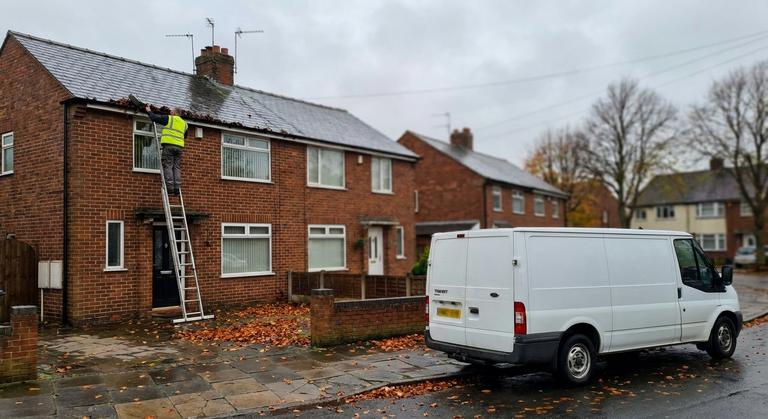
- Inspect the roof. Look for lifted or missing shingles, cracked flashing around chimneys and vents, and exposed nail heads. A small repair booked in September beats one in December under snow.
- Check attic insulation and ventilation. Ice dams form when heat escaping through the ceiling melts snow that refreezes at the eaves. Top up thin insulation, seal air leaks around pot lights and the hatch, and keep soffit vents clear.
- Replace weatherstripping and caulking. Daylight around a door, a draft at a sash or cracked caulking on exterior trim all mean heat loss the tenant pays for in a higher gas or hydro bill and then complains about.
- Walk the foundation and grading. Fill visible cracks, check that soil slopes away from the walls and cover window wells so they do not fill with leaves and meltwater. It is the cheapest basement flood prevention there is.
Grounds, access and snow (tasks 16 to 20)
- Sign the snow removal contract. Whether it is a landscaper, a tenant under a written agreement or your own crew, decide now. Many municipalities require owners to clear public sidewalks within a set number of hours after a snowfall, and slip-and-fall claims land on the owner.
- Stock ice melt and shovels. Leave a bin and a shovel at every property. Use a concrete-safe product on newer steps, because rock salt will spall the surface.
- Trim trees back from the roof and service lines. Dead branches will not survive their first wet snow load. Anything near the electrical service drop is a job for a qualified arborist or the utility, never a tenant with a pole saw.
- Clear around the A/C condenser and store outdoor items. Remove leaves from the condenser, then secure patio furniture and planters. Barbecue propane cylinders stay outside, never in a garage or basement.
- Check exterior lighting, stairs and railings. Shorter days mean tenants come home in the dark. Replace bulbs, set timers or photocells, tighten loose handrails and fix the wobbly step you noticed in July.
Turning the checklist into work orders
A fall maintenance checklist only helps a landlord if it becomes a set of assigned, dated jobs. Three habits make that happen:
- Batch by trade, not by property. One HVAC technician visiting four furnaces in an afternoon is cheaper and easier to book than four separate calls. Group eavestrough, roof and tree work the same way.
- Separate inspect-only from repair. Ask for a photo report on the roof, chimney and foundation first, then quote the repairs. You avoid paying for work you cannot see.
- Compare quotes before you commit. Platforms like PlanaJob let property managers post a job once and compare quotes from vetted contractors, which matters most in October when the first price is rarely the best. If you run a portfolio, the PlanaJob tools for Canadian property managers are built for exactly this routine.
Keep the completed fall maintenance checklist, the invoices and the dated photos together. If a tenant disputes a heat complaint or an insurer asks what was done before a claim, that folder is your answer.
Talking to tenants before the trades arrive
Most tasks mean entering an occupied unit, and provincial tenancy legislation requires written notice before non-emergency entry, with the minimum period varying by province. Send one notice covering the whole fall program, with a date window and the trades involved, rather than one per visit.
Tenants can carry part of the load if you ask in writing:
- Report drafts, dripping taps and strange furnace noises as soon as they notice them.
- Keep the heat on at a reasonable setting when away over the holidays.
- Disconnect and store their own garden hoses.
- Keep the area around the furnace and water heater clear of storage.
A one-page winter sheet with those points, the location of the main shut-off and your emergency number saves a dozen calls. You will find more tenant communication guides on the PlanaJob Canada blog.
Then assign every task on this list to a vetted PlanaJob contractor in minutes. Create a free account, post the jobs by trade and let the quotes come to you while the leaves are still on the trees.
FAQ
When should a landlord start the fall maintenance checklist?
Late August or the first week of September, wherever the property is. Book the furnace service, chimney inspection and roof check first because those trades fill fastest, then work through freeze protection and eavestroughs as the leaves come down.
Can I ask tenants to handle fall maintenance tasks themselves?
Light, low-risk items such as disconnecting hoses or reporting drafts are fair to ask, and snow clearing can be agreed in writing where your provincial rules allow it. Gas appliances, roofs, ladders, electrical and structure stay with you and a qualified contractor. Your duty to keep the unit habitable does not transfer.
Does the checklist change for a condo or a multi-unit building?
The principles hold, but responsibility shifts. In a condo, the corporation usually handles the roof, envelope and snow, while you remain responsible for in-suite items: alarms, filters, patio hose bibs and the unit's own heating equipment. For a multi-unit building you own outright, every task on this fall maintenance checklist applies, and the sump pump, boiler and snow contract matter more, not less.