If you rent out property in Alberta, the Minimum Housing and Health Standards are not optional guidance - they are enforceable requirements made under the provincial Public Health Act, and Alberta Health Services can order you to fix a breach on a deadline. Yet many landlords first read the Alberta minimum housing standards only after a tenant complaint has triggered an inspection. This guide turns the standards into a practical compliance checklist, explains how enforcement actually plays out, and shows property managers how to build a routine that catches problems before a health inspector does.
What the Minimum Housing and Health Standards Actually Are
The standards are made under Alberta's Public Health Act and apply to housing that is rented out - a downtown Calgary condo, a fourplex in Lethbridge, a basement suite in Edmonton. The owner is responsible for keeping the property compliant, and environmental public health officers from Alberta Health Services (AHS) enforce the standards, usually in response to tenant complaints.
Two things routinely trip landlords up. First, the Alberta minimum housing standards sit alongside, not inside, the Residential Tenancies Act. The RTA separately requires rental premises to meet minimum standards at the start of and throughout the tenancy, so one deficiency can expose you twice: to an AHS enforcement order and to a tenant application at the Residential Tenancy Dispute Resolution Service (RTDRS). Second, you cannot contract out of the standards. A tenant who agrees in writing to live with a broken furnace has not made the furnace compliant - the obligation stays with you.
The Alberta Minimum Housing Standards Checklist for Landlords
The standards document itself is short enough to read in one sitting, and it is worth doing exactly that once a year because it is updated from time to time. For day-to-day inspections, though, it helps to work system by system. Here is how experienced Alberta property managers structure a walkthrough.
Structure, weatherproofing and pests
- Roof, exterior walls, windows and doors must be maintained in a waterproof, windproof and weatherproof condition. Look for staining on ceilings and around window frames - moisture ingress is the most common root cause of mould complaints.
- Foundations, floors, stairs, handrails, balconies and guards must be structurally sound and kept in good repair.
- The unit must be kept free of pest infestations. Rodents, cockroaches and bed bugs are the usual complaint triggers, and arranging treatment is generally the landlord's job.
- Exterior doors need functioning locks so the unit can be properly secured.
Heating, electrical and ventilation
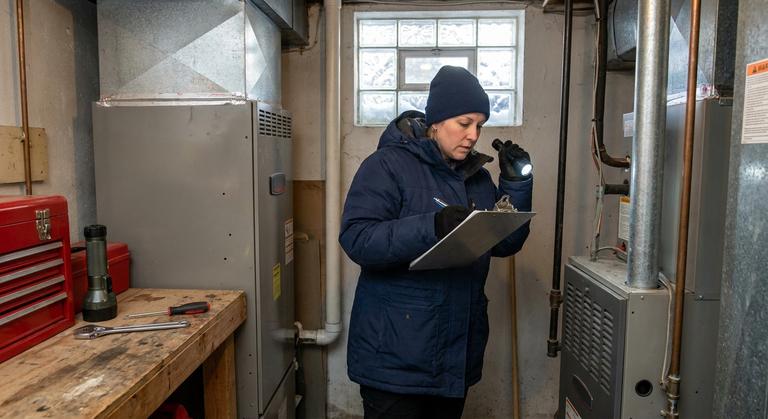
- The heating system must be in good working order and capable of maintaining the minimum indoor temperature set out in the current standards - check the current version for the exact figure, and test the furnace in early fall rather than during the first minus 30 cold snap.
- Electrical systems must be safe and maintained in good working order. Exposed wiring, scorched outlets and overloaded panels are the kind of thing an inspector writes up immediately.
- Bathrooms and kitchens need adequate ventilation, whether from openable windows or mechanical fans, to control moisture and odours.
- Habitable rooms need adequate natural or artificial lighting.
Water, plumbing and sanitation
- The unit must have a supply of potable water, with hot and cold running water to the kitchen and bathroom.
- A functioning toilet, wash basin, and bathtub or shower are required, all connected to an appropriate wastewater system.
- Drains must work, food preparation areas must be sanitary, and there must be proper facilities for storing and disposing of garbage.
Safety and occupancy
- Working smoke alarms are required under Alberta's fire code. Test them at every turnover and every inspection, and document that you did.
- Where fuel-burning appliances or an attached garage are present, check current code requirements for carbon monoxide alarms.
- The standards address overcrowding, so know how many people the unit can lawfully accommodate before you approve occupants.
- Bedrooms and sleeping areas need to meet the requirements for light, ventilation and safe egress - basement suites deserve special attention here.
How Enforcement Works When Something Slips
Enforcement is largely complaint-driven. A tenant contacts AHS Environmental Public Health, an officer inspects the property, and if deficiencies are found the officer issues an executive officer order listing what must be fixed and by when. These orders are published publicly, which means prospective tenants, lenders, insurers and buyers can find them with a simple search.
Ignoring an order is the most expensive path available. Enforcement can escalate to the point where a property is declared unfit for human habitation and closed to tenants, and breaches of the Alberta minimum housing standards also give tenants solid footing at the RTDRS to seek compensation or end the tenancy. The pattern seasoned property managers follow is simple: treat the inspection report as a scoped work order, get contractors booked within days, and send AHS proof of completion before the deadline rather than on it.
A Compliance Routine That Holds Up
A reactive landlord meets the standards one complaint at a time. A proactive one builds them into the calendar:
- Inspect every unit annually against the standards, using a written checklist based on the sections above, and keep the completed copy on file.
- Run seasonal checks - furnace service and weatherstripping before winter, grading, eavestroughs and moisture checks in spring.
- Log every tenant repair request in writing, respond with a stated timeline, and record when the work was completed.
- Fix root causes, not symptoms. Painting over mould without addressing the moisture source guarantees a repeat complaint with a worse paper trail.
- Keep evidence. Dated photos, invoices and contractor reports are your defence if a dispute reaches the RTDRS or an inspector questions your maintenance history.
If you manage at scale, the documentation habit matters more than any single repair. You will find more Canadian compliance and maintenance guides on the PlanaJob blog.
Getting Code-Compliant Repairs Done Fast
An executive officer order usually comes with a firm deadline, and the work needed to bring a property back in line with the Alberta minimum housing standards - heating, electrical, plumbing, structural - involves exactly the trades that book up fastest in Alberta's busy seasons. This is where a deep contractor bench pays off. Platforms like PlanaJob let property managers post a job once and compare quotes from vetted contractors, which is genuinely useful when you need a licensed tradesperson who understands code-driven work and can provide the documentation AHS wants to see.
If compliance repairs are becoming a regular part of your portfolio, set the operation up properly: create a free account and see how the workflow fits alongside the features on our Canadian property managers page. Book code-compliant repairs through PlanaJob's vetted Alberta contractor network and turn your next inspection report into a closed file instead of a lingering liability.
A note for readers on the trades side: compliance-driven repairs are steady, well-documented work for clients who value speed and paperwork over the lowest bid. The strategy articles at Construction Arbitrage are a good read on positioning and pricing that kind of business, and if you are building a maintenance firm you may one day sell, Contractor Exit covers what buyers actually pay for.
Frequently Asked Questions
Who enforces the Minimum Housing and Health Standards in Alberta?
Environmental public health officers from Alberta Health Services enforce the standards under the Public Health Act, usually after a tenant complaint. Municipal bylaws in cities like Calgary and Edmonton can add further property maintenance requirements, so check your local rules as well - the provincial standards are the floor, not always the ceiling.
Can a tenant withhold rent if my property does not meet the standards?
Alberta's Residential Tenancies Act does not give tenants a general right to simply stop paying rent. The proper route for tenants is an application to the RTDRS or the courts, where remedies can include compensation or ending the tenancy. From a landlord's perspective, though, a documented breach puts you in a weak position in any dispute, so fix the deficiency rather than litigating around it.
Do the standards apply to basement and secondary suites?
Yes. Any self-contained dwelling that is rented out must meet the provincial standards, whether or not it is a legally permitted secondary suite under municipal rules. Those are two separate questions: a suite can meet the health standards while still lacking the development and building permits your municipality requires, and an unpermitted suite that draws an AHS inspection tends to attract municipal attention too.